 Pin
Pin The first time I made kahk, I was standing in my aunt's kitchen on a winter afternoon, watching her hands move through the dough with such ease that it seemed like the butter and flour already knew what to do. She'd promised to teach me her family's recipe, the one that appeared every year for celebrations, and as the warm vanilla scent filled the air, I understood why these cookies held so much meaning. There's something about cookies filled with date paste that feels both humble and special at once—like you're holding generations of gatherings in your hands.
I remember my neighbor stopping by mid-baking and the smell of sesame-coated cookies hitting her the moment she opened the door—her face just lit up. We ended up making two extra batches that day because she insisted on learning on the spot, and watching someone taste homemade kahk for the first time reminded me why this recipe matters beyond just ingredients and steps.
Ingredients
- All-purpose flour (3 cups): This is your base, and using fresh flour really does make a difference in how tender the dough becomes.
- Unsalted butter (1 cup), softened: Please don't skip the softening—it's what makes the dough light and easy to work with, and cold butter will fight you.
- Powdered sugar (1/2 cup): This dissolves into the dough, creating that delicate sweetness without graininess.
- Milk (1/4 cup, plus more as needed): Add it slowly; every kitchen's humidity is different, and you might need a touch more or less.
- Baking powder (1/2 teaspoon): Just enough to give the cookies a subtle lift without making them cake-like.
- Salt (1/4 teaspoon): This tiny amount actually wakes up all the other flavors.
- Vanilla extract (1 teaspoon): Use real vanilla if you can; it adds a warmth that artificial versions just can't match.
- Medjool dates (1 cup, pitted and chopped): These are sweeter and softer than other varieties, which is exactly what you want for a smooth filling.
- Unsalted butter (2 tablespoons, for filling): This emulsifies the dates into a luxurious paste.
- Ground cinnamon (1/2 teaspoon): It ties the whole flavor profile together with a gentle warmth.
- Ground cardamom (1/4 teaspoon, optional): If you add this, you'll notice a subtle floral note that elevates the entire cookie.
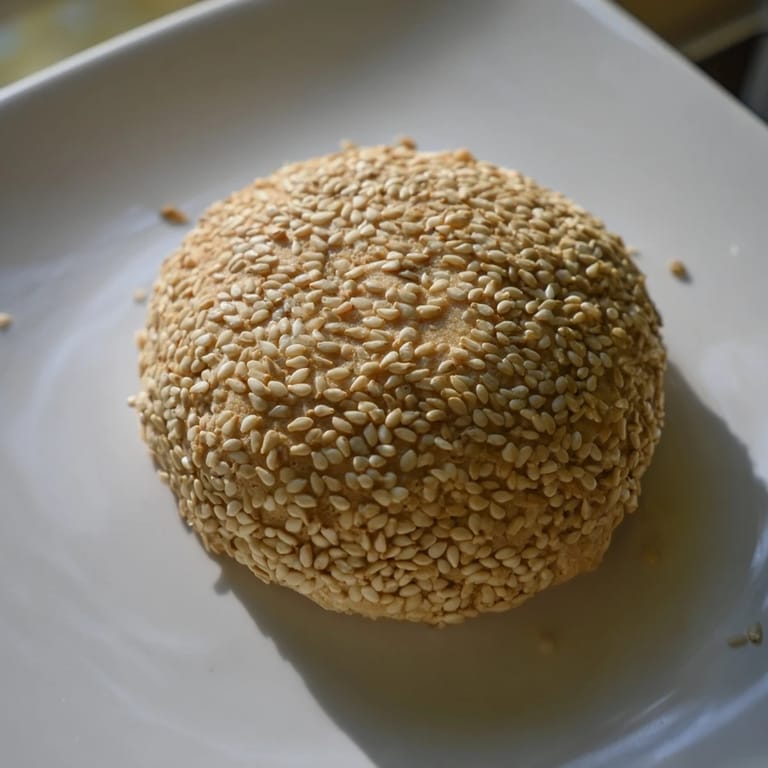
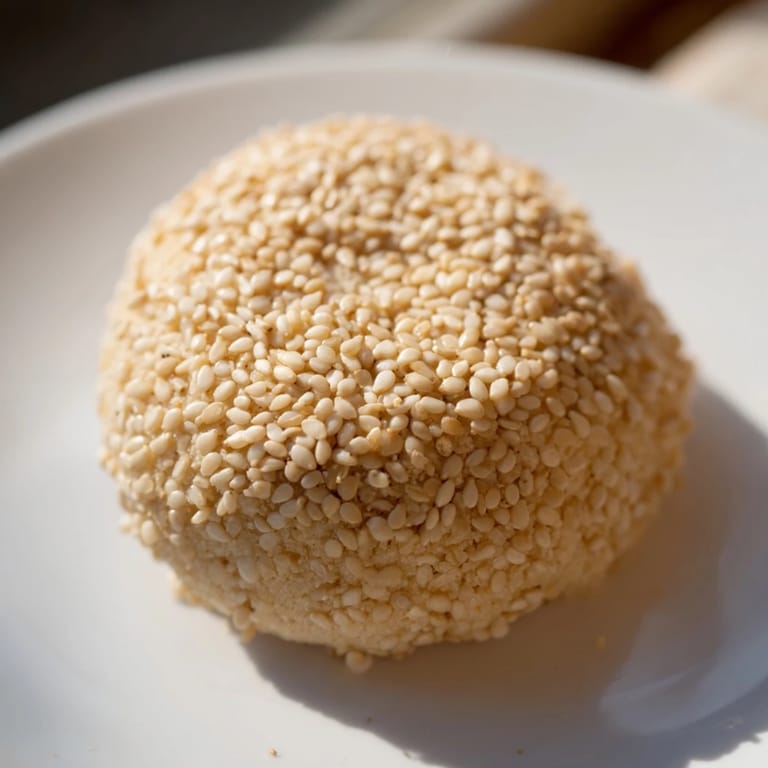
- Sesame seeds (1/2 cup, untoasted): The slight bitterness of raw seeds balances the sweetness beautifully.
Tired of Takeout? 🥡
Get 10 meals you can make faster than delivery arrives. Seriously.
One email. No spam. Unsubscribe anytime.
Instructions
- Heat your oven and prep:
- Set the oven to 350°F and line a baking sheet with parchment paper so nothing sticks when you're ready to bake.
- Build your dough base:
- Cream the softened butter and powdered sugar together until it looks pale and fluffy, like soft clouds—this takes about 3 minutes with an electric mixer and means you're incorporating air into the dough.
- Bring in the dry ingredients:
- Add the vanilla, then mix in the flour, baking powder, and salt gently so you don't overwork the dough and make it tough.
- Add moisture carefully:
- Pour in the milk one tablespoon at a time, kneading gently between additions until the dough feels soft and slightly tacky but not wet. You might not need all the milk, and that's okay.
- Create the date filling:
- In a small saucepan over low heat, stir the chopped dates and butter together until the dates break down into a paste, about 5 minutes. Add the cinnamon and cardamom, mix well, and let it cool completely because warm filling will make your dough impossible to work with.
- Portion and fill:
- Divide the dough into 24 pieces and flatten each one into a disk in your palm. Place a teaspoon of filling in the center, fold the dough around it, pinch to seal, and gently roll into a ball—think of it like cradling something precious.
- Add the sesame coat:
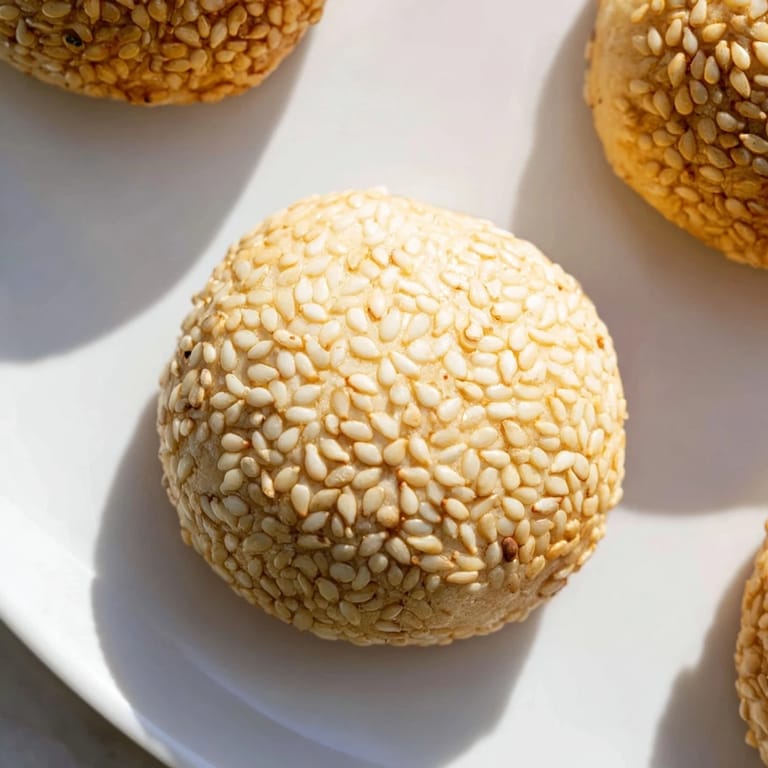
- Roll each ball in the sesame seeds, pressing lightly so they stick. The seeds should coat the outside without embedding too deeply into the dough.
- Create texture with a mold:
- Place cookies on your baking sheet and gently flatten with a fork or cookie mold to create a decorative pattern. This isn't just for looks; it helps them bake evenly and signals that these are handmade, not factory-produced.
- Bake to golden:
- Bake for 18 to 20 minutes until the bottoms are golden but the tops stay pale—this keeps them tender and prevents them from becoming hard.
- Cool completely:
- Transfer to a wire rack and let them cool all the way through. I know the temptation is real, but they'll be structurally stronger and taste better when they're completely cool.
 Pin
Pin Years later, I was packing kahk cookies for my daughter's school bake sale, and the teacher came up to me afterward saying they'd sold out in fifteen minutes and that kids were asking for the recipe. It wasn't about winning anything; it was about knowing that a cookie made with care and intention carries that feeling forward to whoever eats it.
The Secret to Tender Kahk
The texture of kahk depends almost entirely on not overworking the dough and not overbaking the cookies. I've learned that the moment you see golden edges, you're already close to done—the tops will continue cooking slightly from residual heat. Many people make these cookies harder than they need to be by keeping them in the oven too long, chasing a deep brown color that isn't actually necessary. The pale tops with golden bottoms are exactly what you want, and trusting that timing is half the battle.
Variations and Adaptations
While the classic version with dates is what I return to most often, there's real beauty in playing with the filling. I've had versions where walnuts were folded into the date paste, adding a subtle nuttiness that my family now requests. Some people add a hint of orange zest to the date filling, which brings a brightness that feels unexpected and delightful. The dough itself is stable enough that you can experiment with the flavorings without worrying you'll ruin the whole batch.
Storage and Serving Wisdom
These cookies keep beautifully in an airtight container for up to a week, though honestly they rarely last that long in my house. The best way to serve them is still the way my aunt taught me—with strong coffee in winter or mint tea in summer, the way they were meant to be enjoyed. There's something about the combination of sweetness and bitterness that makes each bite feel intentional and connected to the culture that created these cookies in the first place.
- Store them in a container with parchment paper between layers so they don't stick together or get crushed.
- If they ever feel a bit dry after a few days, store a piece of bread in the container to add moisture back.
- These freeze beautifully for up to three months, so make a double batch and save some for when you need comfort food.
 Pin
Pin Making kahk is one of those recipes where the technique matters, but what matters more is who you're making them for and what moment in your life they mark. These cookies have a way of becoming part of your story.
Recipe Q&A
- → What gives Kahk its tender texture?
The combination of softened butter, milk, and careful kneading creates a soft, pliable dough that bakes into tender cookies.
- → How do I prepare the sweet filling for Kahk?
Chop Medjool dates and cook them gently with butter, cinnamon, and optional cardamom until a smooth paste forms.
- → Why are sesame seeds used on Kahk?
Sesame seeds add a nutty flavor and crunchy texture, complementing the soft, sweet interior of the cookies.
- → Can Kahk be stored after baking?
Yes, Kahk can be stored in an airtight container for up to one week while maintaining freshness.
- → Are there any nut variations for Kahk filling?
Yes, finely chopped walnuts can be added to the date paste for a richer, nutty variation.