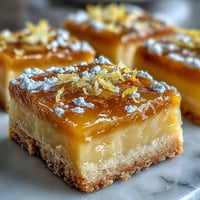
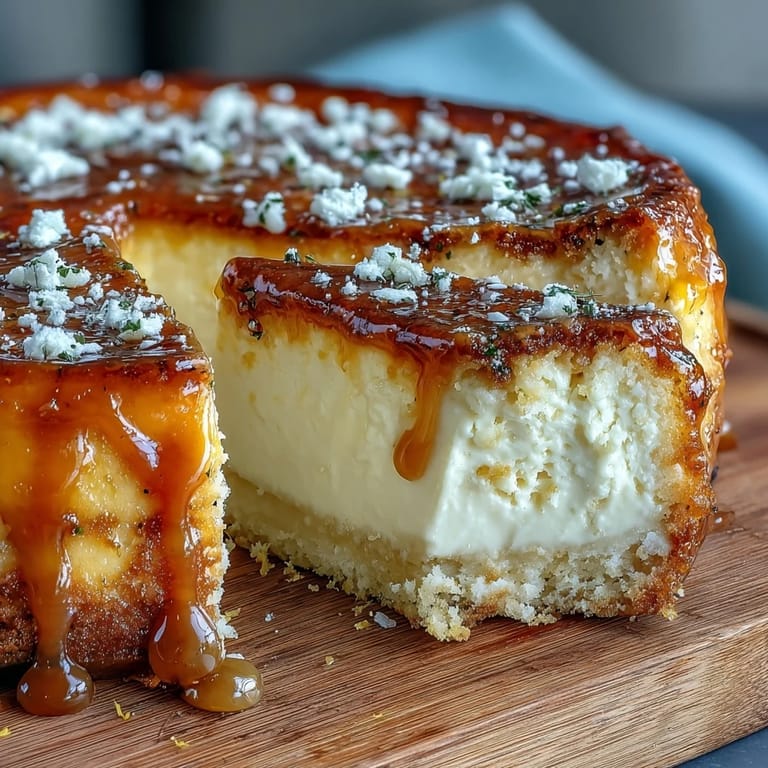
 Pin
Pin There's something about the moment a lemon tart emerges from the oven that makes a kitchen feel like a French pastry shop, even if you're standing in your pajamas at three in the afternoon. My first attempt came together almost by accident—I had lemons piling up on my counter and a sudden craving for something elegant but not fussy. The buttery crust crackled under my fork, the filling wobbled just right, and somehow it tasted like I'd actually planned the whole thing.
I served this tart to unexpected dinner guests one May evening, and watching people's faces light up when they tasted it was one of those unplanned kitchen wins. Someone asked for the recipe halfway through dessert, which meant everything—not out of politeness, but genuine surprise that something so bright and sophisticated came from my hands.
Ingredients
- All-purpose flour: Use good quality if you can—it affects how the crust develops structure and snap.
- Cold unsalted butter: This is non-negotiable; warm butter won't create those crispy layers, so keep it chilled until the last possible moment.
- Powdered sugar: Dissolves into the dough smoothly and keeps the crust tender rather than tough.
- Fine sea salt: A small amount balances the sweetness and makes the lemon sing.
- Egg yolk: Binds the crust together while keeping it delicate—the white would make it tough.
- Ice water: Add just enough to bring the dough together; too much and you'll develop gluten, making it chewy instead of crisp.
- Fresh eggs: The filling depends on them for both structure and richness, so room-temperature eggs incorporate more smoothly.
- Granulated sugar: Sweetens the filling without graininess; it dissolves completely into the lemon juice.
- Freshly squeezed lemon juice: Bottled juice tastes flat and metallic by comparison—this is where you taste the difference immediately.
- Lemon zest: The oils in the skin hold the most flavor; microplane it finely so it distributes evenly throughout the filling.
- Melted butter: Creates richness and silkiness; cooling it slightly keeps the eggs from scrambling when they mix.
Tired of Takeout? 🥡
Get 10 meals you can make faster than delivery arrives. Seriously.
One email. No spam. Unsubscribe anytime.
Instructions
- Gather and prepare:
- Heat your oven to 350°F and get all your ingredients ready so you're not hunting for things mid-recipe. Having everything in one place makes the process feel calm rather than chaotic.
- Build the crust base:
- Pulse flour, powdered sugar, and salt together, then add cold butter and pulse until it looks like bread crumbs—coarse and uneven. This uneven texture is what creates those shards of crispy pastry.
- Bring the dough together:
- Add the egg yolk and ice water a bit at a time, pulsing just until the dough barely holds together when squeezed. Overworking it is the enemy; you want it barely held together, almost reluctant.
- Chill and rest:
- Wrap the dough in plastic, flatten it into a disk, and let it sit in the fridge for thirty minutes if you have time. This resting period lets the gluten relax and makes rolling easier.
- Line the pan:
- Roll out the dough between two sheets of plastic wrap to prevent sticking, then press it gently into your tart pan. Trim the edges by running your thumb around the rim, and prick the base all over with a fork to prevent puffing.
- Blind bake the crust:
- Line with parchment and fill with pie weights or dried beans, then bake for fifteen minutes until the edges are pale golden. Remove the weights and bake another ten minutes—the bottom should be dry and set, not wet or doughy.
- Create the filling:
- Whisk together eggs, yolks, sugar, lemon juice, zest, melted butter, and salt in a bowl until completely smooth and pale. The mixture should look like sunshine in a bowl, fully combined with no visible streaks.
- Fill and bake:
- Pour the filling into the warm crust and slide it into the oven for twenty to twenty-five minutes until the center barely jiggles when you move the pan. The edges will set first; the center should still have that subtle wobble, which means it'll set perfectly as it cools.
- Cool with patience:
- Let the tart rest on a wire rack until it reaches room temperature, then chill in the refrigerator for at least two hours. The chilling is essential—it lets the flavors settle and the texture become silky.
- Finish with elegance:
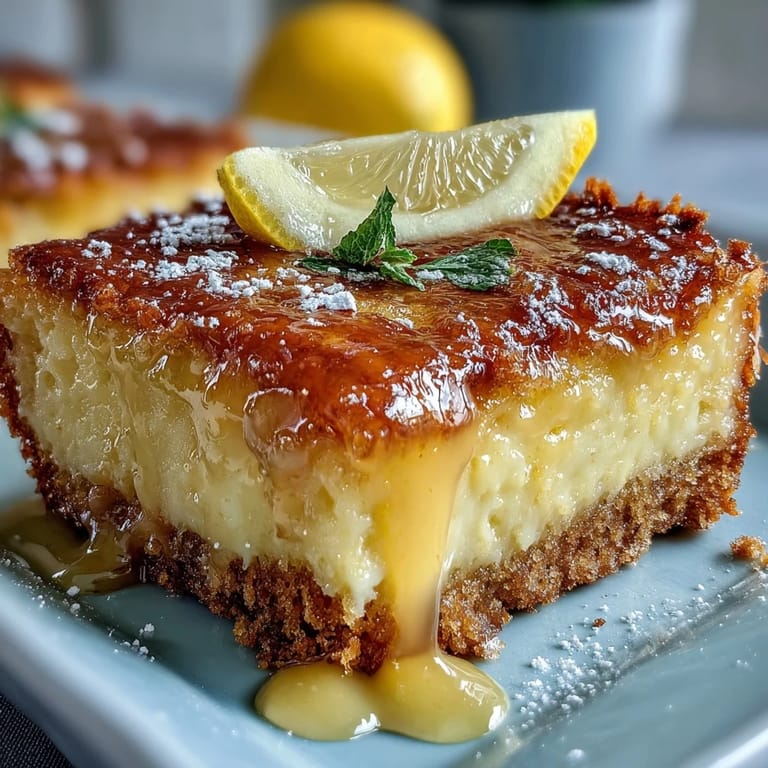
- Dust lightly with powdered sugar and arrange lemon slices, fresh berries, or mint leaves if you're feeling fancy. Sometimes the simple version is best, though.
 Pin
Pin The day my neighbor tasted this, she asked if I'd made it at a restaurant kitchen during some secret life I wasn't telling her about. That kind of moment—when someone doesn't believe you could have made something this good in your regular kitchen—stays with you.
The Science of a Perfect Crust
The crust works because of contrast—cold butter against warm flour creates those pockets that steam and separate into layers. When you pulse the dough instead of kneading it, you're keeping the gluten relaxed, which is why this crust feels delicate rather than chewy. I learned this the hard way by overmixing once and ending up with pastry that tasted like a hockey puck.
Why Fresh Lemon Makes All the Difference
Bottled lemon juice tastes like metal compared to the real thing—it's been heat-treated and stripped of the bright, living quality that makes this tart sing. The zest matters just as much; those oils on the skin carry flavor that juice alone can't deliver. I squeeze my lemons right before baking, letting the brightness hit while everything's still fresh.
Timing, Temperatures, and Small Tweaks
The beauty of this tart is how forgiving it becomes once you understand its preferences. Room temperature eggs incorporate more smoothly into the filling, creating that silky texture instead of a curdled one. A slightly cooler oven and a longer bake time prevents the top from browning while the center remains tender.
- If your oven runs hot, reduce the temperature by 25 degrees and add five minutes to the bake time.
- For a sweeter tart, add two extra tablespoons of sugar to the filling—it won't throw off the balance.
- Blood orange or lime can substitute for some lemon juice if you want variation, though the original balance is pretty hard to beat.
 Pin
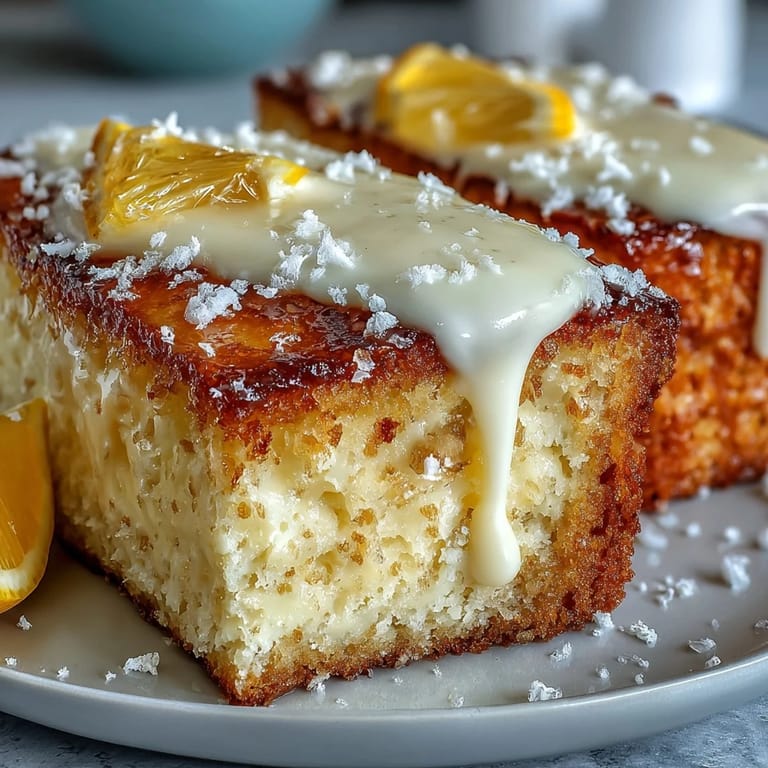
Pin This tart has become my go-to when I want to feel like I've done something impressive without spending the whole day in the kitchen. There's real elegance in simplicity, and this recipe proves you don't need complicated techniques to create something that tastes like springtime on a plate.