 Pin
Pin My neighbor's kids spotted the cast iron skillet heating up on my porch and immediately knew what was coming—they'd learned the year before that this meant gooey, toasted marshmallow magic was about to happen. There's something about melting chocolate and marshmallows in cast iron that feels less like dessert and more like a small celebration, especially when the sky's turning purple and fireworks are about to start. This dip came together one Fourth of July when I realized I had all the s'mores fixings but zero patience for individual skewers over a fire. The whole thing takes barely twenty minutes, and somehow it tastes like you've been standing around a campfire for hours.
The first time I made this for a group, I nearly dropped the skillet because I'd underestimated how hot cast iron stays—my sister grabbed my wrist just in time, laughing at my startled expression. That moment became the reason I now warn everyone about the handle before they inevitably reach for it bare-handed. Watching people's faces light up when they dipped their first graham cracker into that warm chocolate-marshmallow blend reminded me that food doesn't have to be complicated to bring people together.
Ingredients
- Semi-sweet chocolate chips (2 cups): These melt evenly and won't overpower with bitterness; I've learned that cheaper brands can sometimes turn grainy, so spending an extra dollar makes a real difference in texture.
- Unsalted butter (1 tablespoon): This helps the chocolate melt smoothly and creates a silkier base that doesn't separate as it cools.
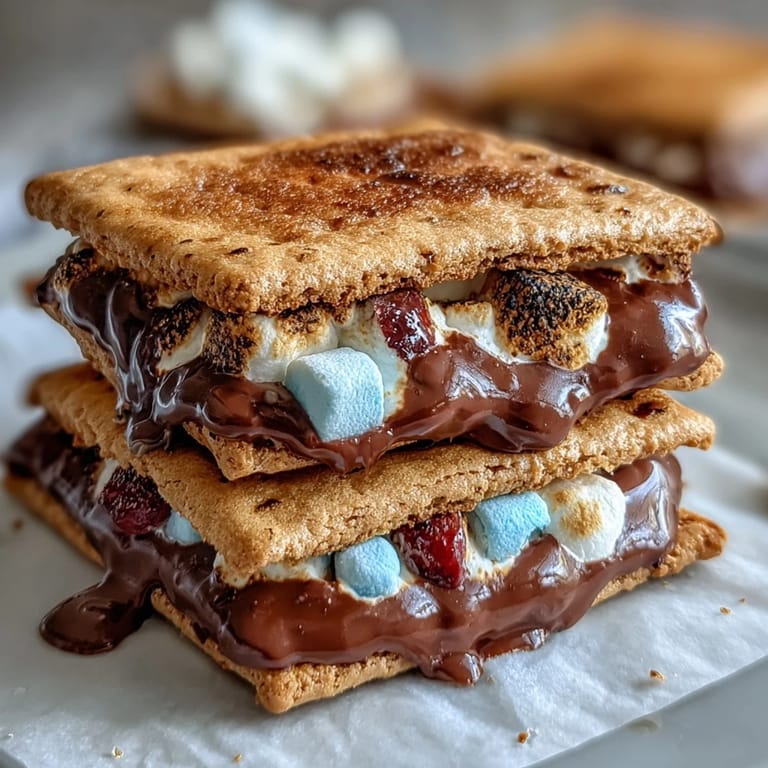
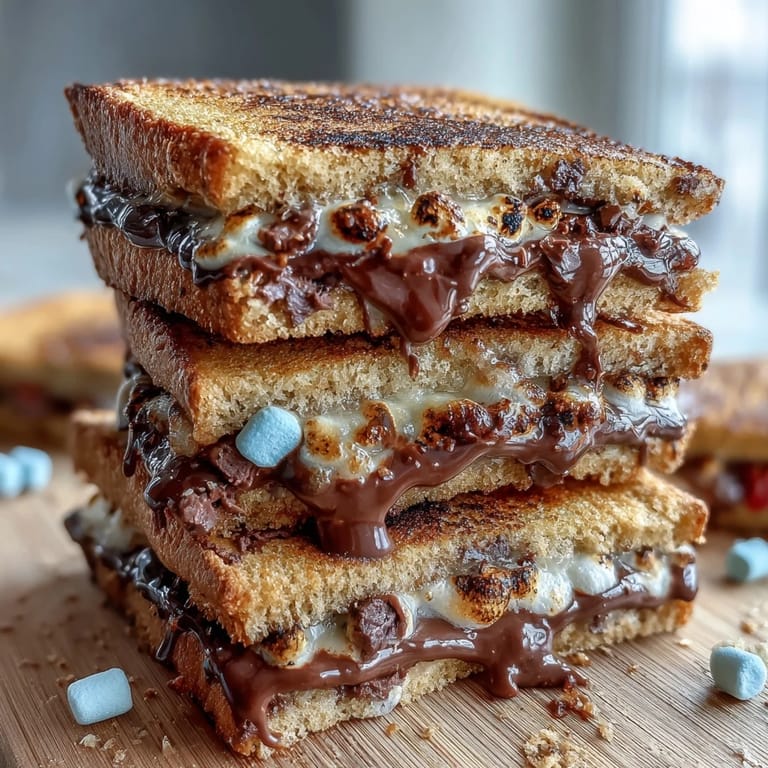
- Large marshmallows (3 cups): Bigger marshmallows toast more beautifully than miniature ones, developing golden peaks instead of just turning flat and rubbery.
- Graham crackers (16 pieces): Breaking them into pieces instead of whole rectangles makes dipping easier and feels more casual and shareable.
- Red, white, and blue chocolate candies (1/4 cup, optional): These add festive color and a little extra sweetness without changing the fundamental appeal of the dip.
- Strawberries and blueberries (1 cup each, optional): Fresh fruit cuts through the richness and gives people who want something lighter a reason to keep dipping.
Tired of Takeout? 🥡
Get 10 meals you can make faster than delivery arrives. Seriously.
One email. No spam. Unsubscribe anytime.
Instructions
- Preheat and prepare your skillet:
- Get your oven to 400°F and place your cast iron skillet inside for a minute or two while it heats—this ensures the chocolate will melt evenly the moment it hits the pan. Make sure your oven mitts are nearby because you'll be handling this skillet more than once.
- Melt the chocolate base:
- Scatter the chocolate chips and butter in the bottom of the hot skillet and bake for 3 to 4 minutes until everything looks soft and glossy. Remove it carefully, give it a good stir until it's completely smooth, and try not to taste it straight from the spoon (though I've never managed that part).
- Layer on the marshmallows:
- Arrange your marshmallows in one single layer across the entire surface, pressing them gently so they nestle into the chocolate. This is the part where you want to be thorough—gaps mean exposed chocolate edges that might burn before the marshmallows toast.
- Toast until golden:
- Return the skillet to the oven for 5 to 7 minutes, watching through the window as the marshmallows puff up and turn golden brown on top. The timing depends on your oven, so start checking around the 5-minute mark—you want the peaks to have color but not turn completely black.
- Add festive toppings:
- If you're using the colored candies, sprinkle them over the hot marshmallows right when you pull the skillet out so they soften slightly into the nooks and crannies. This step is purely decorative but makes the whole thing feel celebratory.
- Cool and serve:
- Let it sit for 3 to 5 minutes—just long enough that the top stops being lava-level hot but not so long that it starts hardening. Serve immediately with your dippers arranged around the skillet so everyone can dive in.
 Pin
Pin There was something almost magical about sitting on the porch that year, surrounded by neighbors passing graham crackers through the skillet's steam, telling stories between bites. In that moment, it stopped being about the Fourth of July and started being about the simplicity of sharing something warm and messy with people you like.
Why Cast Iron Matters Here
Cast iron does something special with this dip that a regular baking dish can't replicate—it distributes heat so evenly that the chocolate melts without hot spots, and it holds the temperature long enough that everything stays gooey and warm for the entire time your guests are eating. The dark surface also gives the marshmallows a deeper golden color than you'd get anywhere else, and there's a small magic in how the skillet becomes part of the presentation itself. People seem to eat slower and more intentionally when the food is coming straight from the pan it cooked in.
Variations That Surprise People
Once you nail the basic formula, it becomes tempting to play around—I've added a sprinkle of sea salt before the marshmallows go on, drizzled peanut butter into the chocolate base, and even tried swapping regular marshmallows for the toasted coconut kind. My favorite discovery was adding a tiny pinch of cinnamon to the chocolate layer, which nobody could quite identify but everyone noticed made the whole thing taste a little more sophisticated. The beauty of this dip is that it's forgiving enough to handle experiments without ever disappointing.
Serving Strategies for Crowds
If you're feeding more than eight people, consider making two skillets so there's no fighting over the last marshmallow and the dip stays warm longer overall. Setting up the dippers in small bowls or on a board nearby prevents everyone from crowding directly around the hot skillet, and it makes the whole setup feel more intentional and less chaotic. Pro tip: have extra graham crackers nearby than you think you'll need, because people will eat faster than you expect once they taste what's in that pan.
- Keep the skillet on a trivet or thick wooden board to protect your table and signal to guests that it's still hot.
- Serve with napkins nearby because melted chocolate on fingers is part of the experience, not a problem to prevent.
- Have a backup skillet warming in a 300°F oven if you're serving a large group, ready to swap in when the first one empties.
 Pin
Pin This dip somehow became the dessert people ask for by name when they know I'm hosting a summer gathering, which still surprises me because it requires almost no technique. There's comfort in feeding people something this straightforward and watching them come back for one more dip, knowing the skillet's almost cool and the season's turning.
Recipe Q&A
- → What type of chocolate works best?
Semi-sweet chocolate chips melt smoothly and balance sweetness perfectly in the dip.
- → Can I use a different skillet than cast iron?
Cast iron retains heat well, ensuring even melting and toasting, but an oven-safe dish can be used as an alternative.
- → How do I get the marshmallows golden brown?
Baking at 400°F for about 5–7 minutes helps the marshmallows toast evenly on top without burning.
- → Are there suggested dippers besides graham crackers?
Fresh strawberries and blueberries add a refreshing contrast, while graham crackers provide the classic pairing.
- → Can I prepare this ahead of time?
For the best texture, serve warm shortly after baking as it hardens upon cooling.