 Pin
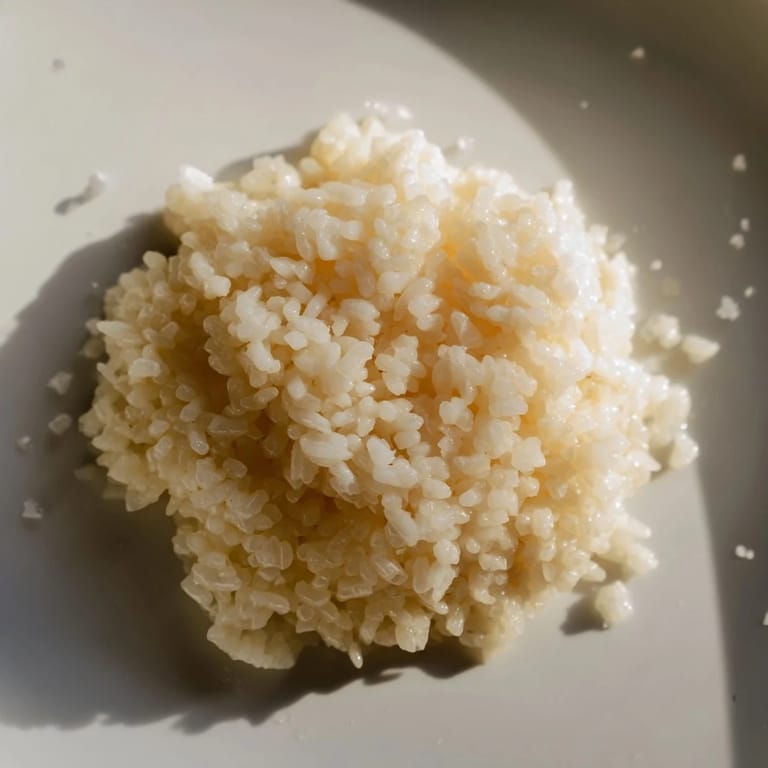
Pin There's something almost meditative about the moment jasmine rice first hits coconut milk. I discovered this combination while experimenting one lazy Sunday afternoon, trying to stretch a can of coconut milk into something more than just dessert. The steam that rises when you pour the liquid over those pale grains smells like a subtle promise—not perfumy, just elegantly present. One stir and I was hooked, watching the rice absorb that creamy sweetness grain by grain. Now I make it whenever I want to feel like I'm cooking something a bit more intentional than usual.
I made this for a dinner party where someone mentioned offhandedly that coconut rice was their favorite thing about visiting Thailand. I had no plan, just this recipe in my head and a can of coconut milk in the cupboard. When I set that pot down in the middle of the table and they took their first bite, the smile on their face made me realize this wasn't just a side dish—it had become the reason people came back for seconds.
Ingredients
- Jasmine rice: The whole point of this dish—those delicate, slightly sweet grains need to be rinsed thoroughly or you'll end up with a gummy mess instead of fluffy clouds.
- Full-fat, unsweetened coconut milk: Don't reach for lite or sweetened versions; the coconut flavor needs to be genuine and the fat is what makes it taste rich without being heavy.
- Water: This keeps the dish balanced so coconut doesn't overpower everything; it's the quiet partner that lets jasmine shine.
- Salt: Half a teaspoon might sound small, but it awakens all those delicate flavors and prevents the rice from tasting flat.
- Sugar: Optional but worth considering if your coconut milk tastes slightly bitter or if you're pairing it with something savory and want a gentle sweetness underneath.
Tired of Takeout? 🥡
Get 10 meals you can make faster than delivery arrives. Seriously.
One email. No spam. Unsubscribe anytime.
Instructions
- Rinse your rice like you mean it:
- Cold water, gentle hands, patient circles until the water runs completely clear. This removes the starch that wants to glue everything together. I learned this the hard way after one too many sticky batches.
- Combine everything in one pot:
- Rice, coconut milk, water, salt, and sugar if you're using it—just stir it all together so nothing settles on the bottom and burns. This moment feels deceptively simple, but it's where everything starts coming together.
- Bring it to a gentle boil:
- Medium heat, watching for the liquid to shimmer and bubble at the edges. You'll start smelling that coconut fragrance more clearly now, and the whole kitchen shifts.
- Lower the heat and cover tightly:
- Turn it down to low and lay that lid on—this is crucial because you're essentially steaming the rice now, letting it absorb all that creamy liquid without evaporating too fast. The seal matters more than you'd think.
- Let time do the work:
- Fifteen minutes of not touching anything. No peeking, no stirring—that's how the grains stay individual and light.
- Rest it covered for ten more minutes:
- Even though it's off the heat, the rice keeps absorbing moisture and finishing its cooking. This is when the texture becomes what you want it to be.
- Fluff gently with a fork:
- Run your fork through those grains like you're being careful not to wake something sleeping. This is how you release steam and separate everything into that fluffy cloud.
 Pin
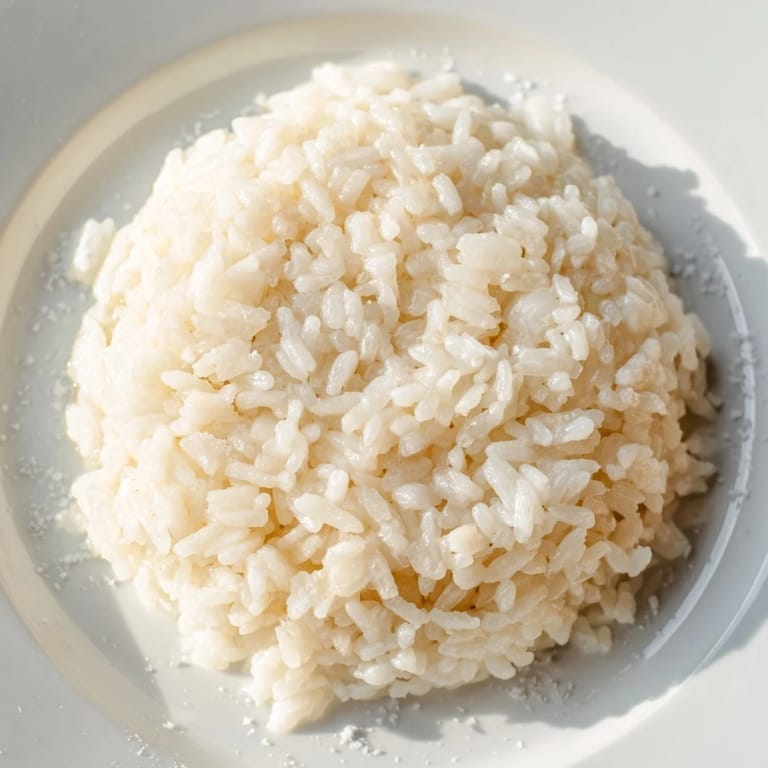
Pin I remember the first time someone asked for the recipe while we were still eating. There's something about coconut jasmine rice that makes people pause mid-conversation and actually notice what they're tasting. That moment when food becomes something worth talking about, worth remembering—that's what this dish does.
Making It Your Own
The beauty of this rice is how willing it is to accept small additions without losing its character. I've scattered fresh cilantro on top, squeezed lime juice over it right before serving, toasted some sesame seeds to sprinkle on—all of these feel natural rather than forced. If you want something warmer, a thin slice of fresh ginger dropped in while it cooks releases its essence without being aggressive. Some nights I add a pandan leaf if I can find one, just for that extra whisper of fragrance that reminds me why I love jasmine in the first place. The rice doesn't fight any of these choices; it just becomes more itself.
What This Rice Loves to Sit Next To
Thai curries seem designed with this rice in mind—whether it's red, green, or something creamy, the coconut flavor creates a conversation between them instead of competing. Grilled chicken or fish with a squeeze of lime finds its perfect match here. Even simple stir-fried vegetables suddenly feel more complete when this rice is underneath, absorbing all those good flavors from the wok. I've served it alongside roasted vegetables and heard people say it was the best part of their plate.
Storage and Timing
This rice actually tastes fine the next day if you refrigerate it, though the texture changes slightly—it becomes denser and more unified, which some people prefer. You can gently reheat it with a splash of water in a covered pot if you want it to feel fresh again. I usually make it no more than a few hours before serving because that first hour after cooking, when it's still warm and the flavors are brightest, is really when it shines best.
- If you're making this ahead, let it cool completely before covering to avoid trapping steam that makes it condensed.
- For richer flavor without using more coconut milk, swap half the water for coconut milk and watch how the creaminess deepens.
- Leftovers work beautifully as a base for fried rice if you're feeling creative the next day.
 Pin
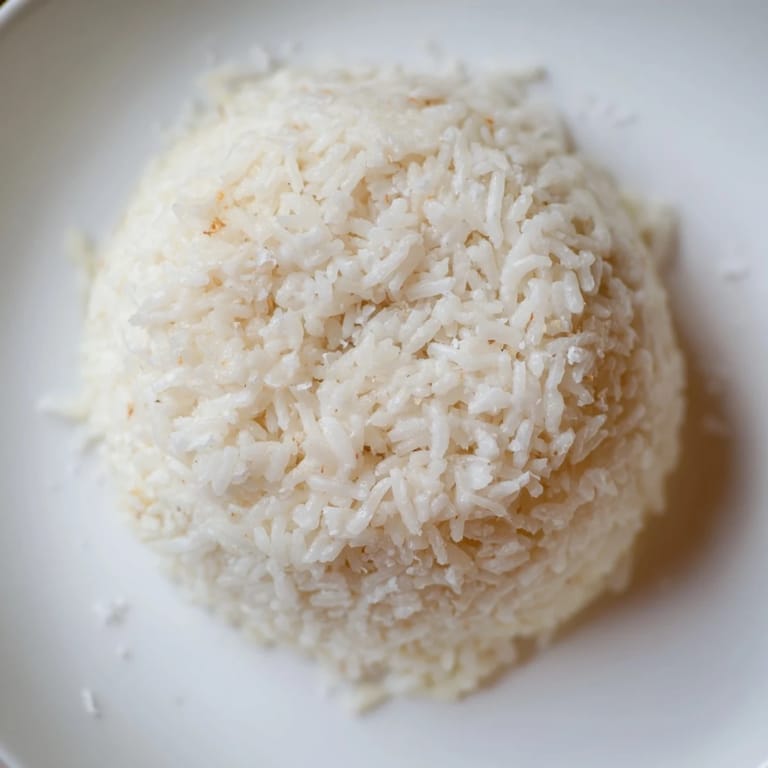
Pin This recipe reminds me that the simplest dishes, the ones that ask almost nothing of you, often become the ones you return to most. There's freedom in that simplicity, and elegance too.
Recipe Q&A
- → What type of rice is best for this dish?
Jasmine rice is ideal due to its natural fragrance and tender texture, which complements the creamy coconut milk.
- → Can I add extra flavor during cooking?
Yes, adding pandan leaves or a small piece of ginger while simmering infuses additional aroma; remember to remove before serving.
- → Is it necessary to rinse the rice first?
Rinsing jasmine rice until the water runs clear removes excess starch, preventing clumping and ensuring a fluffy texture.
- → Can water be replaced with more coconut milk?
Using only coconut milk creates a richer, creamier flavor though it may increase cooking time and fat content.
- → How long should the rice rest after cooking?
Let the rice sit covered off heat for about 10 minutes to fully absorb liquids and achieve optimal fluffiness.
- → Could this dish suit gluten-free and vegan diets?
Yes, jasmine rice and coconut milk are naturally gluten-free and plant-based, making it suitable for both diets.