 Pin
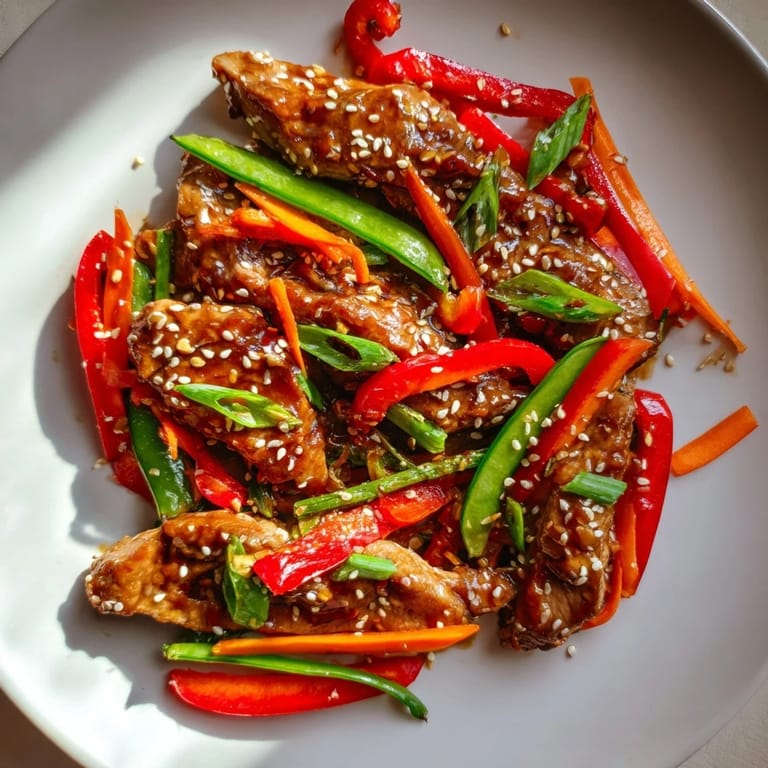
Pin The wok was already smoking when I realized I'd forgotten to slice the pork thin enough. My first stir-fry ended up chewy and uneven, but the teriyaki sauce saved it. That glossy, sweet-savory coating turned my mistake into something my family asked for again the next week. Now I keep my knife sharp and my mise en place ready, because this dish moves fast once the heat is on.
I started making this on Wednesday nights when everyone needed something bright and fast. The snap peas stay crisp, the pork stays tender, and the kitchen smells like ginger and sesame within minutes. My kids learned to set the table without being asked because they knew this one was worth sitting down for.
Ingredients
- Pork tenderloin (450 g, thinly sliced): This cut stays tender if you slice it against the grain and keep the pieces thin, so they cook quickly without drying out.
- Red bell pepper (sliced into strips): Adds sweetness and color, and holds its shape beautifully under high heat without turning mushy.
- Snap peas (1 cup, trimmed): These give you that satisfying crunch and a pop of green that makes the dish feel fresh and alive.
- Carrot (julienned): Cut into matchsticks so they cook at the same rate as the other vegetables and add a subtle earthy sweetness.
- Green onions (3, sliced): Use half in the stir-fry for flavor and save the rest for garnish to keep that bright, sharp bite.
- Garlic (2 cloves, minced): Goes in near the end so it perfumes the dish without burning and turning bitter.
- Fresh ginger (1 tsp, grated): This is the warmth behind the sweetness, and freshly grated makes all the difference over powdered.
- Low-sodium soy sauce (60 ml): Gives you control over the salt level, especially since the sauce reduces and concentrates as it cooks.
- Mirin (60 ml): This sweet rice wine adds depth and a gentle tang that balances the brown sugar perfectly.
- Brown sugar or honey (2 tbsp): Either works, but honey gives a rounder sweetness while brown sugar adds a hint of molasses.
- Rice vinegar (1 tbsp): Cuts through the richness and keeps the sauce from feeling too heavy or one-note.
- Cornstarch (1 tbsp): Mixed with cold water, this thickens the sauce into that glossy coating that clings to everything.
- Sesame oil (1 tsp): A little goes a long way, adding that nutty, toasted aroma that makes the dish smell like takeout.
- Vegetable oil (2 tbsp): Use an oil with a high smoke point so you can get the wok hot enough for a proper sear.
- Toasted sesame seeds (optional): Sprinkle these on at the end for texture and a final layer of nutty flavor.
Tired of Takeout? 🥡
Get 10 meals you can make faster than delivery arrives. Seriously.
One email. No spam. Unsubscribe anytime.
Instructions
- Make the teriyaki sauce:
- Whisk together soy sauce, mirin, brown sugar, rice vinegar, cornstarch, water, and sesame oil in a small bowl until smooth. Set it aside so it's ready to pour when the pan is hot.
- Sear the pork:
- Heat one tablespoon of oil in a large wok or skillet over medium-high heat until shimmering. Add pork slices in a single layer and stir-fry for three to four minutes until browned and just cooked through, then transfer to a plate.
- Cook the vegetables:
- Add the remaining oil to the pan and toss in bell pepper, snap peas, and carrot. Stir-fry for two to three minutes until they're crisp-tender and still bright in color.
- Add aromatics:
- Stir in garlic, ginger, and half the green onions, cooking for just thirty seconds until fragrant. Don't let the garlic burn or it'll turn the whole dish bitter.
- Combine and glaze:
- Return the pork to the pan, give the teriyaki sauce a quick stir, then pour it over everything. Toss constantly for one to two minutes until the sauce thickens and coats every piece with a glossy sheen.
- Finish and serve:
- Remove from heat immediately and garnish with sesame seeds and the remaining green onions. Serve hot over steamed rice or noodles while the vegetables still have their snap.
 Pin
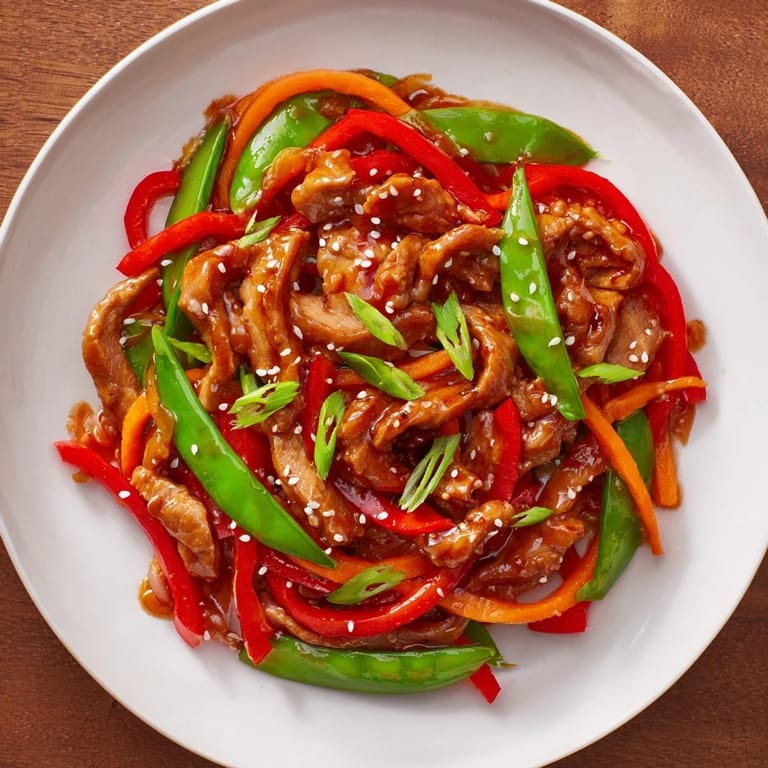
Pin One night I doubled the recipe for a potluck, and someone asked if I'd ordered it from a restaurant. I just smiled and said it took twenty minutes. That's when I realized this recipe wasn't just easy, it was reliable enough to make me look like I knew what I was doing, even on nights when I barely had the energy to chop vegetables.
Swapping Proteins and Vegetables
Chicken thighs work beautifully here if you want something richer, and tofu becomes wonderfully crispy if you press it first and sear it hard. I've also thrown in broccoli florets, mushrooms, and bok choy when the crisper drawer needed clearing, and the sauce welcomed them all without complaint.
Making It Gluten-Free
Swap regular soy sauce for tamari and double-check your mirin label, since some brands sneak in additives. The flavor stays just as deep and savory, and no one at the table will notice the difference unless you tell them.
Serving Suggestions and Leftovers
I love this over jasmine rice that soaks up the extra sauce, but lo mein noodles or even cauliflower rice work just as well. Leftovers reheat surprisingly well in a hot skillet with a splash of water to loosen the sauce, though the vegetables lose a bit of their crunch.
- Prep all your ingredients before you turn on the heat, because once you start cooking there's no time to stop and chop.
- Taste the sauce before you add it and adjust the sweetness or salt to your preference, since brands vary.
- Use the highest heat your stove can handle without smoking out the kitchen, because that's what gives you the best sear and flavor.
 Pin
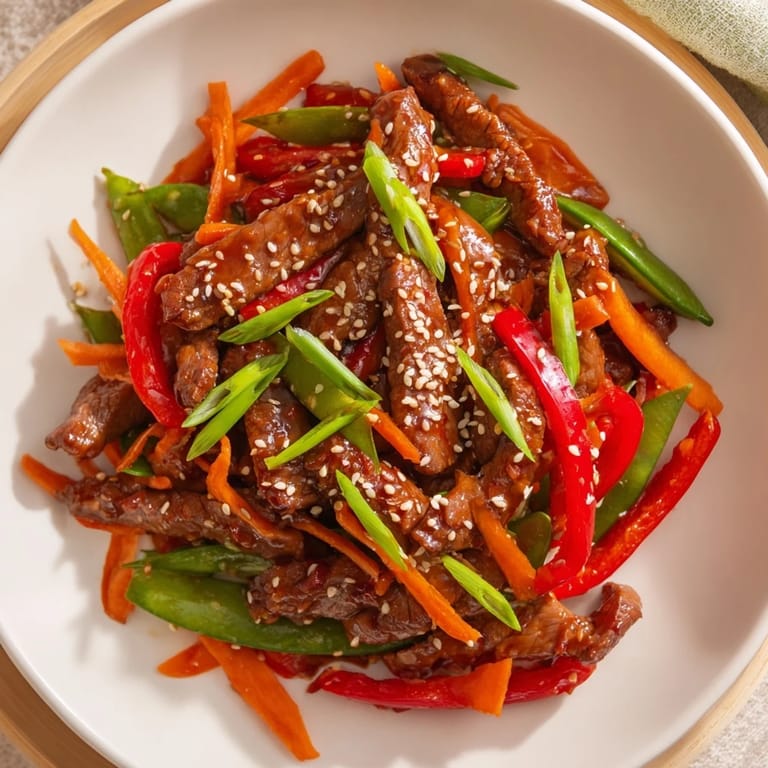
Pin This stir-fry taught me that weeknight cooking doesn't have to be boring or complicated. It just has to be fast, flavorful, and forgiving enough to handle whatever vegetables you have on hand.
Recipe Q&A
- → What cut of pork works best?
Thinly sliced pork tenderloin is ideal for quick cooking and tenderness in stir-fry dishes.
- → How can I make the sauce thicker?
Stirring in cornstarch mixed with cold water helps thicken the teriyaki glaze as it cooks.
- → Can I substitute vegetables in this dish?
Yes, vegetables like broccoli, mushrooms, or bok choy work well and add variety to the stir-fry.
- → What oil is recommended for stir-frying?
Vegetable oil is commonly used for high-heat cooking and complements the flavors without overpowering.
- → How do I avoid overcooking the pork?
Cook pork slices quickly over medium-high heat just until browned and cooked through to keep them tender.