 Pin
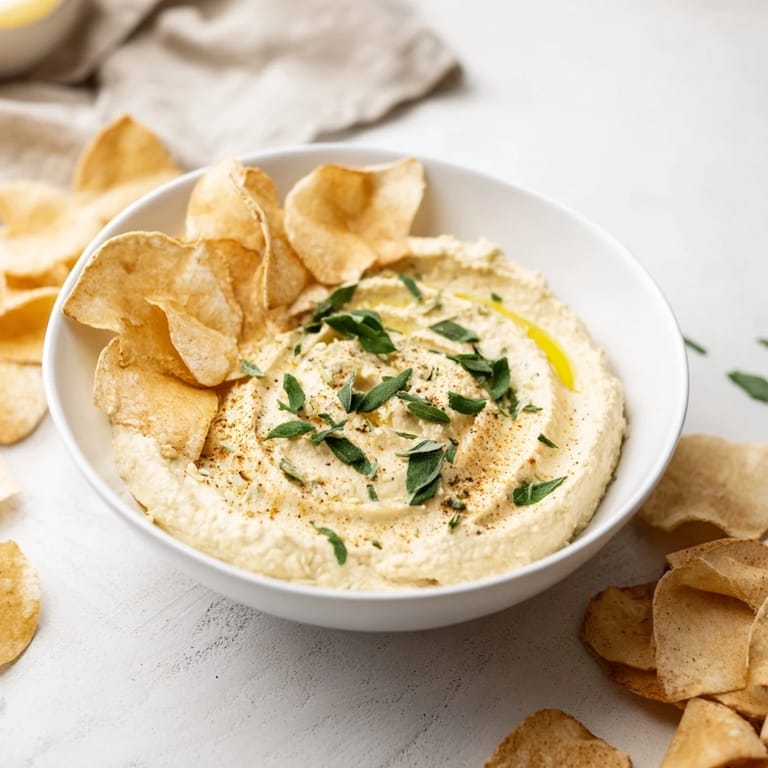
Pin I was scrolling through travel photos one lazy afternoon when a picture of the Sahara at sunset stopped me cold—endless waves of golden sand under an apricot sky. That evening, I wanted to bring that feeling to the kitchen, so I started sculpting hummus into dunes and cutting pita into curved shapes. What began as a visual experiment became something I couldn't stop making for guests. The dish works because it tastes as good as it looks, and watching people's faces light up when they realize it's an edible landscape never gets old.
My friend Sarah brought her kids to dinner last spring, and I worried they'd skip the appetizers for something more familiar. Instead, they spent ten minutes just looking at the hummus dunes before tasting, asking if they could help arrange the pita chips like little sails. By the time we moved to the main course, the platter was nearly empty and everyone was asking for the recipe. That's when I knew this dish had crossed from something pretty into something memorable.
Ingredients
- Chickpeas: The foundation of silky hummus—canned works perfectly, but drain and rinse them well or you'll taste a metallic tinge that ruins everything.
- Tahini: This nutty paste is what separates good hummus from remarkable hummus, so don't skimp on quality.
- Fresh lemon juice: Bottled juice tastes flat and bitter; squeeze lemons by hand if you can, the difference is real.
- Extra-virgin olive oil: Use your best bottle here, since it's drizzled on top where everyone can taste it.
- Garlic: One small clove is enough—too much turns the hummus bitter and harsh.
- Ground cumin: Adds warmth and depth that makes people ask what the secret ingredient is.
- Fine sea salt: Adjust at the end; hummus needs more salt than you'd expect to taste balanced.
- Cold water: Add slowly and gradually to control the texture—you're aiming for clouds, not paste.
- Pita breads: Fresh pita holds together better when cutting and baking; stale pita crumbles into disappointing fragments.
- Smoked paprika and cumin for chips: These warm spices echo the hummus flavor and deepen the desert color story.
- Sumac or sweet paprika for garnish: Sumac adds a subtle tartness that brightens the whole dish, but paprika works if that's what you have.
Tired of Takeout? 🥡
Get 10 meals you can make faster than delivery arrives. Seriously.
One email. No spam. Unsubscribe anytime.
Instructions
- Preheat and prepare:
- Set your oven to 375°F and line a baking sheet with parchment paper. This prevents sticking and makes cleanup almost painless.
- Cut the pita into dune shapes:
- Take your knife and cut each pita into irregular, curved triangles—think rolling hills, not perfect geometry. The imperfection is what makes them look like actual sand dunes.
- Season and brush the chips:
- Lightly brush both sides of each pita piece with olive oil using a pastry brush, then sprinkle with smoked paprika, cumin, and salt. The oil helps them crisp while the spices toast and deepen in flavor.
- Bake until golden:
- Spread the pita pieces in a single layer and bake for 8 to 10 minutes, turning them halfway through. You want them golden and snappy, not pale or burnt—watch them closely the first time you make this.
- Blend the hummus:
- While the chips bake, add chickpeas, tahini, lemon juice, olive oil, minced garlic, cumin, and salt to your food processor. Blend until absolutely smooth, which takes longer than you'd think—at least two minutes of steady blending.
- Adjust the texture:
- Drizzle in cold water one tablespoon at a time, blending between additions, until the hummus reaches a consistency that's creamy but still holds its shape. Taste and add more salt if it needs brightness.
- Shape the dunes:
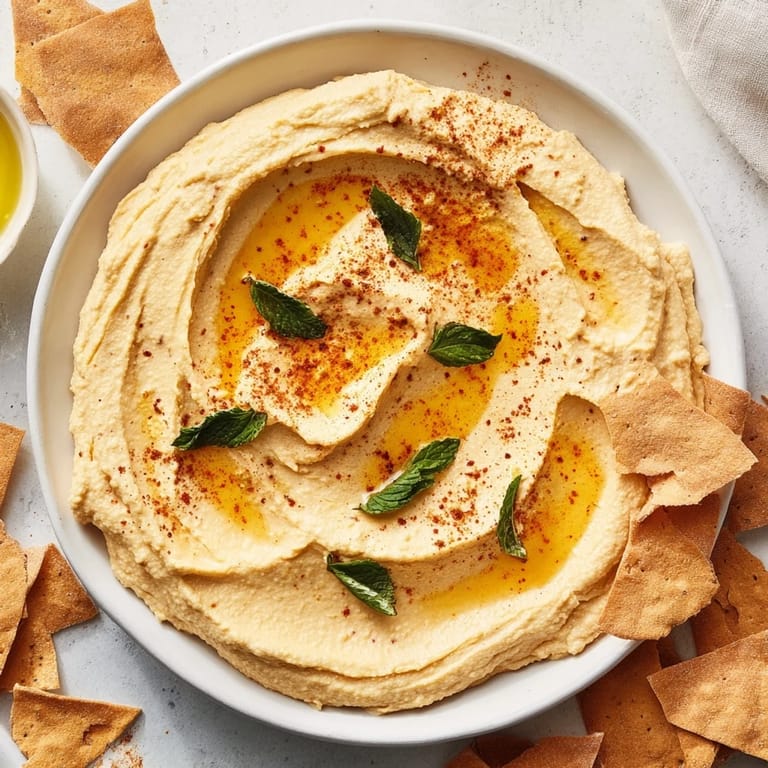
- Pour the hummus onto your serving platter and use a spoon or offset spatula to sculpt it into smooth, undulating mounds. This is where the magic happens—take your time and have fun with it.
- Finish and serve:
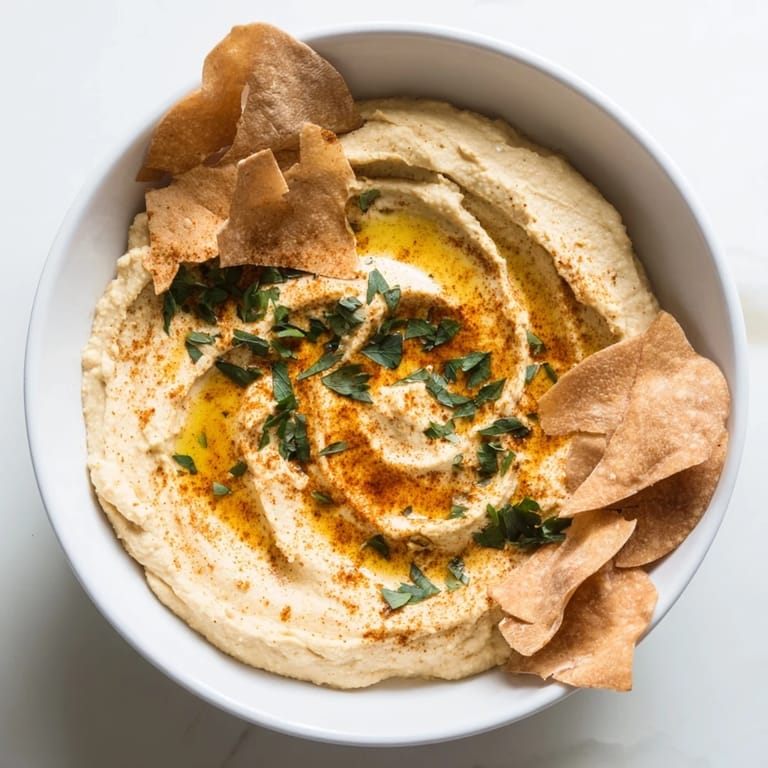
- Drizzle the hummus generously with olive oil, dust with sumac or paprika, and scatter fresh parsley on top if you like the green. Arrange the cooled pita chips around the dunes like you're framing a desert landscape.
 Pin
Pin One night a neighbor stopped by just as I finished plating this dish, and instead of leaving, she sat at the counter and watched me shape the hummus. She pointed out how the curves and shadows made it look like real sand under moonlight, and suddenly I realized the presentation had become as important as the taste. That's the moment I understood this wasn't just an appetizer—it was a small edible story.
The Art of Shaping Hummus
The hummus shaping is oddly meditative once you stop worrying about making it perfect. Use the back of a spoon or an offset spatula, dipping it in warm water between strokes so it glides smoothly without dragging. Work in curved, overlapping motions like you're sculpting soft sand, letting some mounds be taller and others shorter for visual interest. If you mess up a section, just smooth it back out and try again—there's no wrong way to make it look like the desert.
Variations That Work
Once you nail the basic version, you can play with additions. Roasted garlic instead of raw adds sweetness and sophistication; a pinch of cayenne brings heat that creeps up slowly; roasted red peppers swirled through the hummus add both color and subtle sweetness. I've also tried adding pomegranate molasses for tartness, which shifted the whole flavor profile without breaking the dish. The pita chips are equally flexible—try za'atar instead of cumin, or brush them with balsamic vinegar before baking for a tangy twist.
Serving and Pairing Ideas
This dish shines alongside crisp white wine like Sauvignon Blanc or a cold crisp lager if you prefer beer. Serve it as the opening course at a dinner party, or set it out at a gathering where people graze throughout the evening. I love pairing it with sliced cucumbers, carrots, and radishes for added freshness and crunch, or presenting it solo if you want the hummus and chips to be the stars.
- Make the hummus a day ahead so flavors deepen and you're not rushing before guests arrive.
- Store leftover hummus in an airtight container in the fridge for up to four days, though the chips are best eaten within a few hours of baking.
- If you're serving a crowd, double the recipe—people eat more of this than they expect because it's so approachable and beautiful.
 Pin
Pin Food that looks like something else—something vast and beautiful—feels like a small bit of magic on the table. This dish reminds me that cooking isn't just about feeding people; it's about giving them a moment to pause and feel wonder.
Recipe Q&A
- → How do I achieve a smooth hummus texture?
Blend the chickpeas, tahini, olive oil, and seasonings thoroughly in a food processor. Gradually add cold water to reach a creamy, smooth consistency.
- → What spices enhance the pita chips' flavor?
Smoked paprika, ground cumin, and sea salt are brushed onto the pita pieces before baking, offering a warm, smoky flavor that complements the hummus.
- → Can I prepare the pita chips ahead of time?
Yes, bake the pita chips in advance and store them in an airtight container to maintain crispness until serving.
- → What can be used to garnish this dish?
A drizzle of olive oil, a sprinkle of sumac or sweet paprika, and fresh parsley leaves add color and an extra layer of flavor.
- → Is it possible to make gluten-free pita chips?
Absolutely, substitute traditional pita with certified gluten-free crackers or breads to accommodate dietary needs.