 Pin
Pin The first time I truly understood what a marinade could do was standing in a cramped spice market in Marrakech, watching an elderly woman grind spices by hand while her granddaughter chopped herbs with practiced speed. She caught me staring and smiled, then handed me a small bowl of the most intoxicating green paste I'd ever smelled. That was chermoula, and it changed everything I thought I knew about seasoning fish. Years later, I recreate that moment every time I make it—not because I'm chasing nostalgia, but because those fresh herbs and warm spices genuinely transport me somewhere warmer, somewhere where food tastes like conversation.
I made this for my partner on a weeknight when we were both tired, when dinner felt like an obligation rather than a joy. I coated some sea bass in this marinade, threw it in the oven, and thirty minutes later we were both quiet, really tasting our food for the first time that week. That's when I learned that good cooking isn't about impressing anyone—it's about slowing down enough to remember why you started cooking in the first place.
Ingredients
- Fresh cilantro leaves: This is the soul of the marinade, so don't skip it or substitute dried herbs—the bright, almost peppery quality is what makes chermoula sing.
- Fresh flat-leaf parsley: It adds gentle sweetness and body without overpowering the cilantro, creating better balance than using cilantro alone.
- Garlic cloves: Mince them small so they distribute evenly and don't overpower delicate fish with large sharp pieces.
- Lemon zest and juice: The zest gives aromatic punch while the juice provides acidity—use a microplane for finer zest that blends seamlessly.
- Ground cumin: This warm spice grounds the herbaceous flavors and connects everything to North African tradition.
- Sweet paprika: It adds color and a gentle sweetness that rounds out the sharper notes.
- Ground coriander: A quieter spice that adds subtle florality and ties the flavor profile together.
- Cayenne pepper: Start with less than you think—it builds in intensity as it sits, and you can always add more at the end.
- Extra-virgin olive oil: The quality matters here since it's not cooked down; good oil carries all the herbal flavors beautifully.
- Sea salt: It brightens everything and helps the marinade cling to the fish rather than sliding off.
Tired of Takeout? 🥡
Get 10 meals you can make faster than delivery arrives. Seriously.
One email. No spam. Unsubscribe anytime.
Instructions
- Gather and prep your herbs:
- Roughly chop your cilantro and parsley, then mince them finely on a cutting board. The knife work matters—you want pieces small enough to coat fish evenly, not chunky herb confetti.
- Build the flavor base:
- Combine the herbs with minced garlic and shallot in a medium bowl, then add the lemon zest and juice. You should be able to smell the brightness immediately.
- Add warmth with spices:
- Sprinkle in the cumin, paprika, coriander, cayenne, and black pepper, stirring as you go so everything distributes evenly. Don't dump them all in at once or you'll end up with spice-heavy pockets.
- Bring it together:
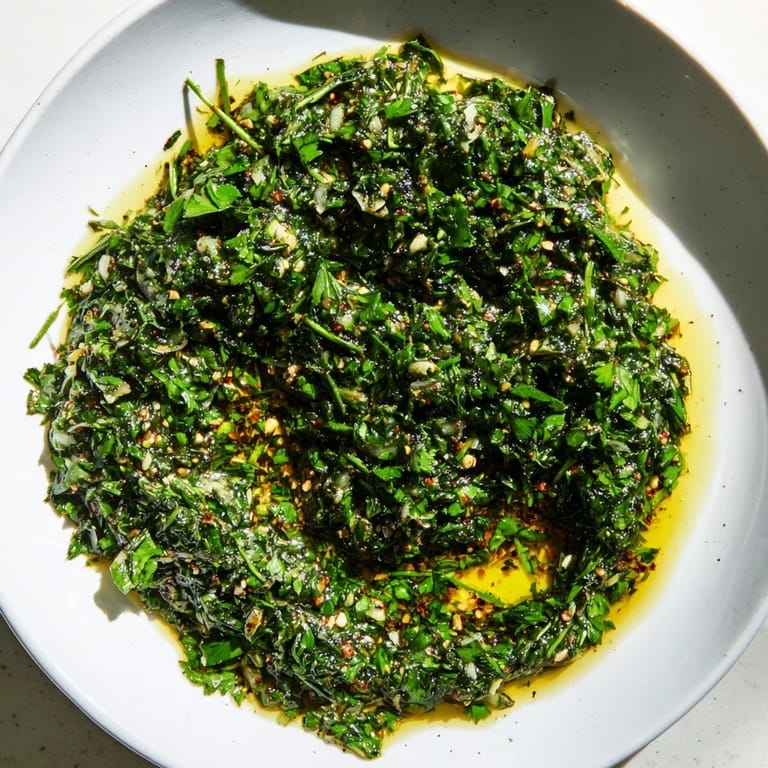
- Pour in the olive oil and sea salt, then stir vigorously until you have a thick, cohesive paste. It should coat a spoon without running off.
- Taste and adjust:
- This is where instinct matters—some lemons are more acidic than others, some people prefer more heat. Trust your palate over the recipe, because your version will be better than mine.
- Coat your fish:
- Generously rub the marinade all over fillets or a whole fish, working it into crevices so every bite will taste equally vibrant. Refrigerate for 30 minutes to 2 hours before cooking.
 Pin
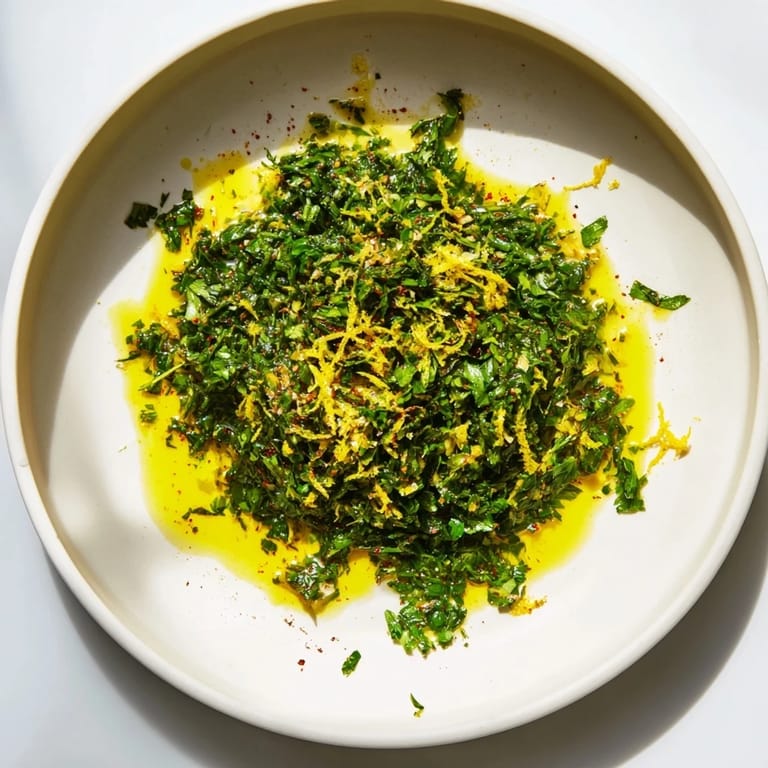
Pin There's a moment right after you coat the fish and catch the scent rising from it—cilantro, lemon, cumin all mingling together—when you realize you're about to create something worth the effort. That smell is a promise, and it always delivers.
Fish That Loves This Marinade
White fish are chermoula's best friends because their delicate, mild flavor lets all the herbal and spice notes shine without competition. Cod, snapper, halibut, and sea bass are classic choices, but I've had equal success with shrimp, which somehow becomes more tender and aromatic when coated in this paste. Even chicken thighs—if you're not in a seafood mood—absorb these flavors beautifully and stay juicy through cooking.
Beyond Fish
One afternoon I had leftover chermoula and a tray of roasted vegetables that felt plain, so I tossed some in before returning them to the oven. The result was so good that now I make extra marinade just for this purpose. It transforms zucchini, eggplant, and bell peppers into something that tastes intentional rather than obligatory, and it works as a dip or spread long after the fish is gone.
The Right Wine Pairing
Sauvignon Blanc is the obvious choice because its crisp acidity mirrors the lemon and cilantro, but I've discovered that a dry Albariño or even a light rosé works beautifully too. The key is something cold and refreshing that won't compete with the marinade's brightness—think of it as a palate cleanser between bites rather than a flavor companion.
- A Moroccan table would also feature fresh mint tea, which is more about hospitality than drinking alongside dinner.
- If you're serving this to guests, chill your wine glasses beforehand so every sip feels like a small luxury.
- Skip heavier wines like oaked Chardonnay unless you're prepared for them to clash with the spices.
 Pin
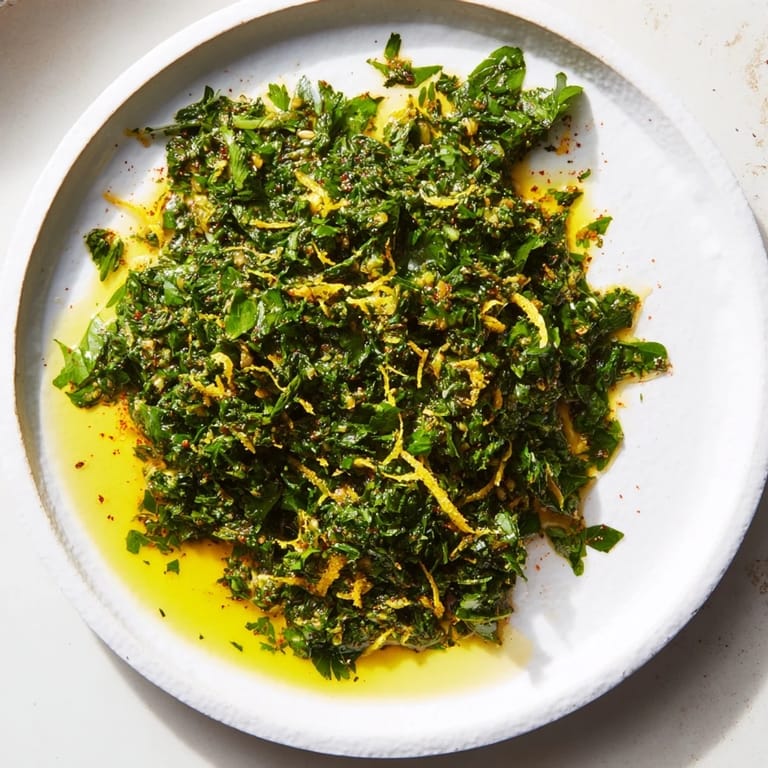
Pin This is the kind of recipe that quietly becomes part of your cooking life, not because it's complicated or precious, but because it works. Every single time.
Recipe Q&A
- → What is chermoula used for?
Chermoula is a flavorful marinade traditionally used to season fish and seafood before cooking.
- → Can the spice level be adjusted?
Yes, cayenne pepper can be reduced or omitted to create a milder flavor according to preference.
- → Which herbs are essential in this marinade?
Fresh cilantro and flat-leaf parsley form the herbal base, providing a bright and fresh aroma.
- → How long should seafood marinate in chermoula?
Marinate fish for 30 minutes up to 2 hours to allow flavors to infuse without overpowering.
- → Can this marinade be used with other proteins or vegetables?
Yes, it pairs well with chicken and vegetables for a flavorful twist.
- → Is blending the ingredients recommended?
Blending can create a smoother texture, but mixing by hand preserves a rustic, textured paste.