 Pin
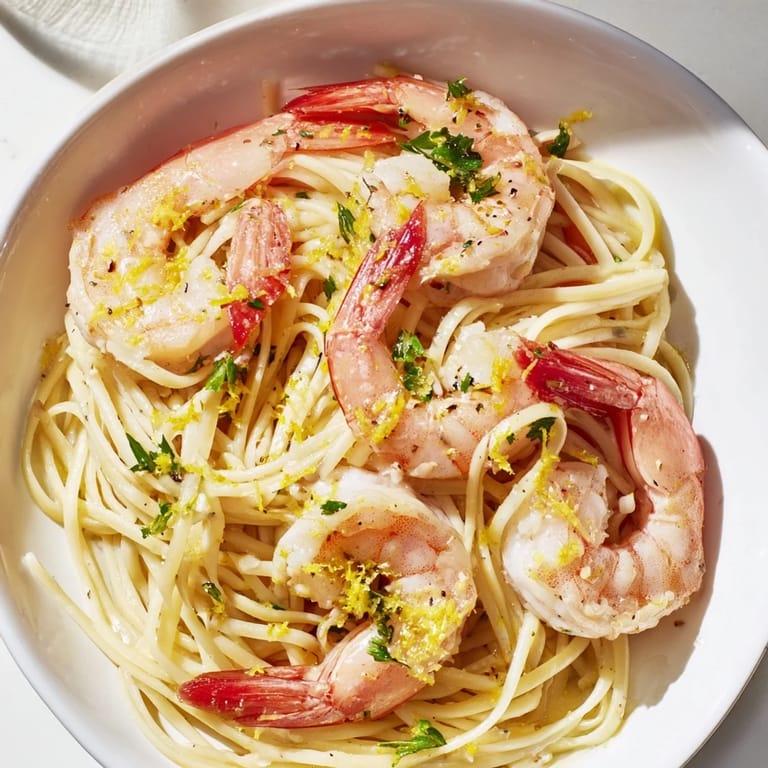
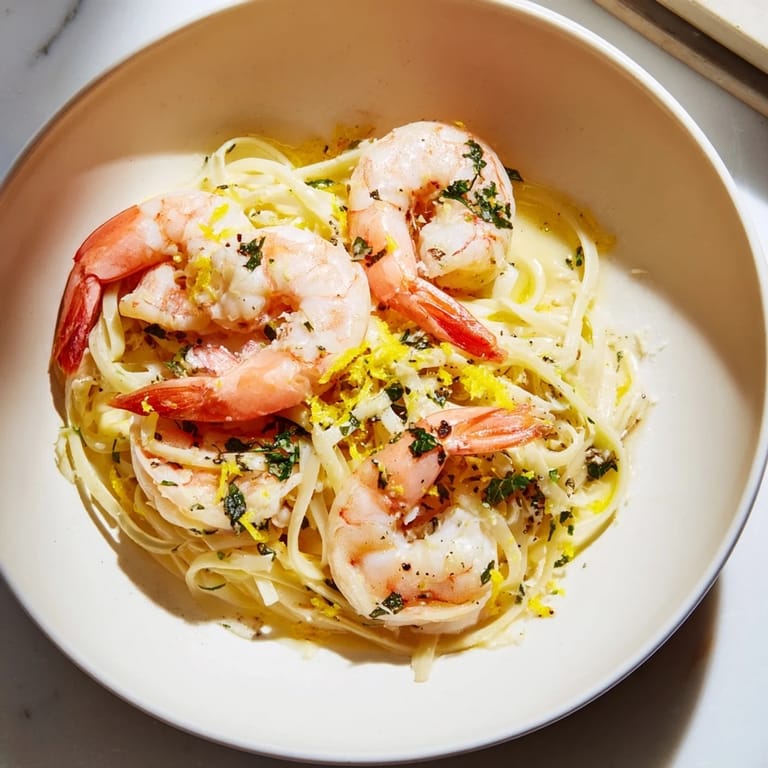
Pin There's something about the smell of shrimp hitting hot oil that makes a kitchen feel alive. I discovered this pasta on a quiet Tuesday evening when I had leftover shrimp and a lemon that needed using, and it turned into one of those happy accidents that became a go-to dinner. The brightness of the citrus against the tender shrimp felt like cooking spring on a plate, even in the depths of winter. What started as improvisation became the dish I reach for when I want something that feels special but doesn't demand hours in the kitchen.
I made this for friends who were tired of heavy cream sauces, and watching them twirl pasta and smile without saying much told me everything I needed to know. There's a kind of quiet satisfaction that comes with a dish this clean and honest, and that night it became the meal I make when I want to show care without fussing.
Ingredients
- Large shrimp (400 g): Pat them completely dry before cooking, which sounds fussy but is the secret to a golden sear instead of a steam cloud.
- Linguine or spaghetti (340 g): Cook it one minute under the package time so it still has just a whisper of resistance when you bite.
- Garlic (3 cloves, minced): Mince it fine and don't let it brown or it'll turn bitter and sullen on you.
- Lemon (1 large, zest and juice): Use a zester or the tiny holes on a grater so you get the fragrant yellow bits without the bitter white pith.
- Fresh parsley (3 tbsp): Chop it just before you need it so it stays vibrant and doesn't turn dark and sad.
- Fresh basil (2 tbsp, optional): If you have it, add it at the very end to preserve that peppery freshness.
- Extra-virgin olive oil (3 tbsp): Use one you actually like tasting because it's the backbone of the sauce.
- Unsalted butter (1 tbsp): This little bit rounds out the lemon without making things heavy or greasy.
- Salt and freshly ground black pepper: Taste as you go because seasoning is the difference between good and 'why am I making this again'.
Tired of Takeout? 🥡
Get 10 meals you can make faster than delivery arrives. Seriously.
One email. No spam. Unsubscribe anytime.
Instructions
- Get your pasta water ready:
- Bring a large pot of salted water to a rolling boil and add the pasta, stirring occasionally so it doesn't stick. When it's a minute shy of done, grab a mug and scoop out about half a cup of that starchy water before you drain everything.
- Dry and season your shrimp:
- While pasta cooks, pat each shrimp down with paper towels until they're really dry, then sprinkle them lightly with salt and pepper. This step sounds small but it's what gets you that golden exterior instead of a rubbery situation.
- Give the shrimp a quick sear:
- Heat 2 tablespoons of olive oil in a large skillet over medium-high until it's shimmering and almost smoking. Lay the shrimp in a single layer and let them alone for about a minute and a half per side until they turn from gray to pink and opaque, then set them aside on a clean plate.
- Build your sauce base:
- Lower the heat to medium and add the remaining tablespoon of oil and the butter to the same skillet. The butter will foam a little, which is your signal to add the minced garlic and let it get fragrant for just about 30 seconds, stirring so it doesn't catch and burn.
- Bring it all together:
- Add your drained pasta to the skillet along with that reserved pasta water, the lemon zest, and lemon juice, tossing everything together so the pasta gets coated in that lemony emulsion. The starch from the pasta water is doing the real work here, turning oil and lemon into something that clings to every strand.
- Finish with heat and freshness:
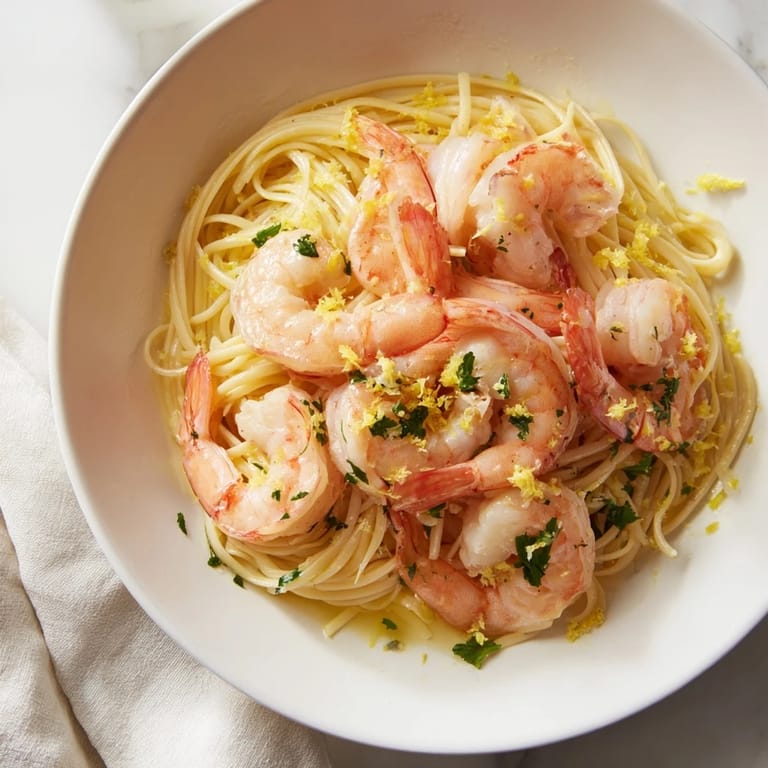
- Return the shrimp to the pan and scatter over the parsley and basil if you're using it, tossing gently until everything is warmed through and coated. Taste it and adjust the salt and pepper until it tastes like you want it to taste.
- Serve right now:
- This dish doesn't wait well, so plate it up immediately while everything is still hot and the herbs are still perky, topping with extra lemon wedges, more fresh herbs, and grated Parmesan if you feel like it.
 Pin
Pin This pasta sat on my table one night when my mom visited, and she didn't ask for the recipe, she just asked when I was making it again. That's when I knew it had become more than just dinner, it had become the meal that means I care enough to cook something bright and alive for someone I love.
The Secret of Shrimp Timing
Shrimp is honest about being done. There's no guessing, no cutting into the center to see if it's pink inside. When you see that color change from translucent gray to opaque pink, you're there. One more minute and you're overcooked. This is actually liberating because it means you can cook with confidence, watching the skillet and not your timer.
Why Lemon Matters More Than You Think
Fresh lemon juice brightens shrimp in a way that nothing else does, but the zest is where the real flavor lives. That golden, fragrant bit contains oils that release when you add heat, and it's what makes people taste this dish and wonder what you did differently. Don't use bottled lemon juice if you can help it, because it tastes tired and won't give you that fresh, alive feeling.
Making It Your Own
This recipe is a framework, not a rule book. I've added everything from red pepper flakes for heat to a splash of white wine that makes the sauce richer, and every version has been worth making. The foundation of pasta, shrimp, lemon, and fresh herbs is strong enough to handle your own ideas.
- Red pepper flakes add a subtle warmth that makes people ask what they're tasting.
- A splash of dry white wine adds body to the sauce if you want it to feel more luxurious.
- Fresh dill instead of basil gives you a completely different but equally delicious pasta.
 Pin
Pin This is the dinner that taught me that simple doesn't mean boring. It's the meal I make when I want to feel like I'm cooking something special without stressing, and every single time someone asks for seconds, I'm grateful I found that quiet Tuesday evening and a lemon that needed using.
Recipe Q&A
- → How should I cook the shrimp for best texture?
Cook shrimp in a hot skillet for 1–2 minutes per side until just pink and opaque to ensure tender, juicy texture without overcooking.
- → Can I substitute the pasta type used?
Yes, linguine can be swapped with spaghetti or fettuccine depending on preference without altering the dish's overall flavor.
- → How do lemon juice and zest enhance this dish?
The zest provides an aromatic brightness, while lemon juice adds a fresh tang that balances the richness of the shrimp and butter.
- → What fresh herbs are recommended?
Parsley and basil work beautifully here, offering freshness and subtle herbal notes that complement the seafood and lemon.
- → Is it possible to make this dairy-free?
Omit the butter and Parmesan cheese to enjoy a dairy-free version without sacrificing flavor.
- → How can I add a spicy element to the dish?
Incorporating red pepper flakes while sautéing garlic introduces a gentle heat that balances the bright citrus and herbs.