 Pin
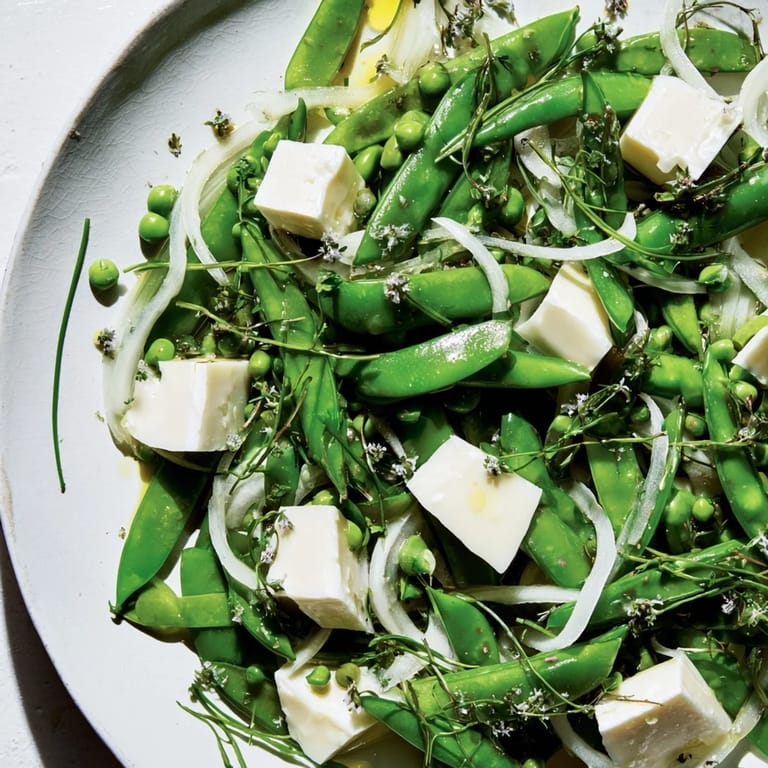
Pin There was a Tuesday afternoon when my neighbor handed me a bundle of snap peas so crisp they practically snapped at the lightest touch, and I suddenly understood what she meant about "eating from the garden." I'd been making the same tired salads for years, but something about the sheer freshness of those peas made me stop and think differently. That evening, I paired them with sharp white cheddar I'd been saving, a whisper of lemon, and suddenly had something that felt less like salad and more like a small celebration of what a few good ingredients could become.
I made this for a potluck once where everyone brought the predictable things, and watching people go back for thirds of a salad was oddly validating. My friend Sarah, who usually pushes salad around her plate, actually asked for the recipe, which tells you everything about how the simple combination of textures and flavors just works.
Ingredients
- Snap peas (200 g): Hunt for the ones that feel heavy for their size, with no soft spots; these are the ones that'll stay crunchy even after blanching.
- Green beans (200 g): Thin to medium thickness works best; thick ones take longer and lose their snap.
- Sharp white cheddar (100 g): The sharper the better—mild cheddar disappears into the background, but a real sharp one sings against the fresh vegetables.
- Shallot (1 small): Thinly sliced, it adds a whisper of onion without overpowering anything; a small red onion works too if that's what you have.
- Extra virgin olive oil (2 tbsp): This is where you use the good stuff; it's not heated, so its flavor actually matters.
- Fresh lemon juice (1 tbsp): Bottled will do in a pinch, but fresh makes a real difference in brightness.
- Dijon mustard (1 tsp): It acts as a quiet emulsifier and adds depth without announcing itself.
- Honey (1/2 tsp): Just enough to round out the dressing and balance the sharpness of the cheese.
- Fresh chives (2 tbsp): Chopped fine, they add a gentle onion note and visual appeal.
Tired of Takeout? 🥡
Get 10 meals you can make faster than delivery arrives. Seriously.
One email. No spam. Unsubscribe anytime.
Instructions
- Boil the vegetables:
- Bring a pot of salted water to a rolling boil and slip in the snap peas and green beans. You'll see them brighten immediately; that's your cue to start watching the clock. Two minutes is all they need—you want them just tender with their bright green still glowing, not soft.
- Shock them cold:
- Fish them out with a slotted spoon and plunge them straight into ice water; this stops the cooking instantly and locks in that crisp texture you're after. Once cool, drain and pat them dry thoroughly so the dressing actually clings instead of sliding off.
- Make the dressing:
- In a bowl, whisk together the olive oil, lemon juice, mustard, and honey until it's emulsified and smooth. Taste it before you add salt and pepper—you want to find that balance where the lemon brightness is front and center but not harsh.
- Bring it together:
- Toss the cooled vegetables and sliced shallot with the dressing gently; you're coating them, not drowning them. Let this sit for a few minutes so the flavors start to get acquainted.
- Arrange and finish:
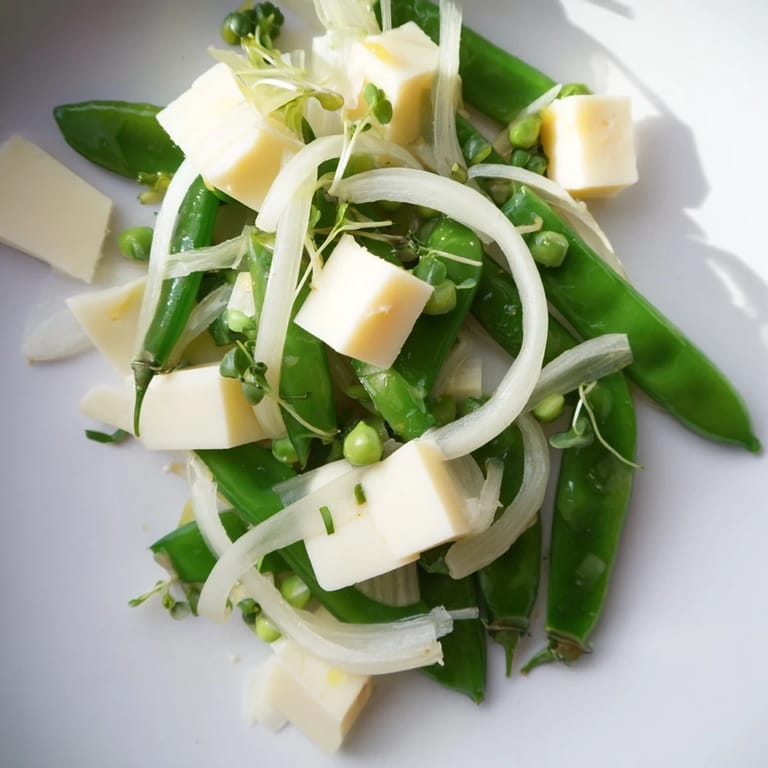
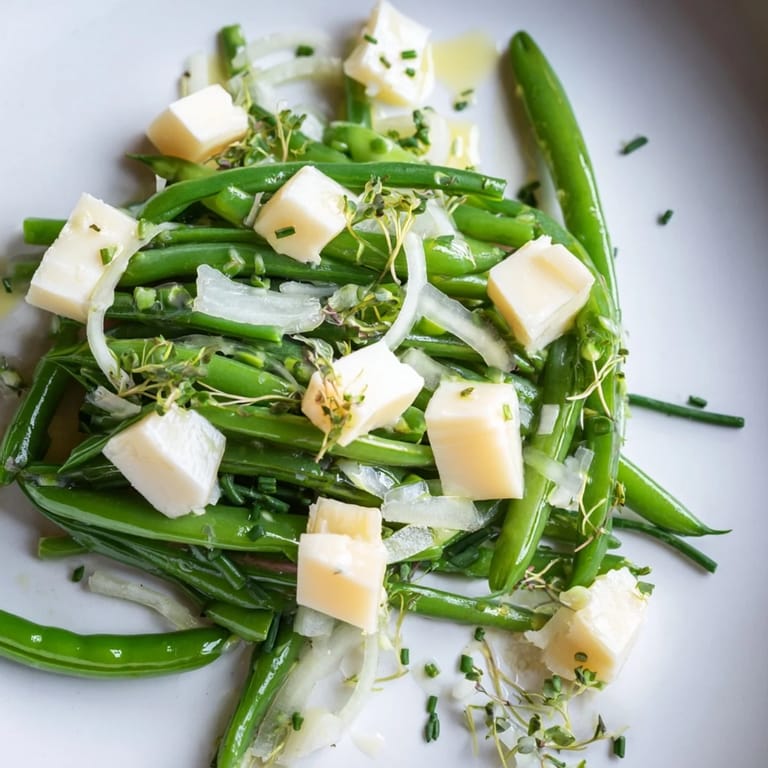
- Spread the vegetables in long, winding lines on your serving platter so they look almost like they're growing there. Scatter the cheddar shards over everything, then finish with the chives and any microgreens you're using.
 Pin
Pin There's something about serving food that's as visually bright as it tastes, and watching people's faces light up when they see those vibrant green vegetables arranged like they actually came straight from a garden—that's when food stops being about hunger and becomes something more.
The Secret to Sharp Cheddar Pairing
I used to think sharp cheddar was just aggressive, but I've learned it's actually a bridge. When you have delicate vegetables like snap peas, their own subtle sweetness can get lost against a creamy dressing. The sharpness of good cheddar doesn't compete with that sweetness; instead, it catches the light and makes everything else shine brighter. It's why mild cheddar never quite works the same way—it whispers when you need it to speak.
When to Serve This
Spring and early summer are obvious, but I've made this in the depths of winter with good greenhouse vegetables and it still felt like a small rebellion against the season. It's light enough to serve as a starter at dinner but substantial enough to be lunch with some crusty bread on the side. The cheddar gives it protein, so it actually satisfies rather than just filling a plate.
Variations Worth Trying
Once you understand the bones of this salad—fresh vegetables, a sharp cheese, a bright dressing—you can bend it. I've added toasted walnuts for crunch, swapped in goat cheese for a tangier play, even thrown in some blanched asparagus tips when they were in season. The mustard and honey dressing is forgiving enough to carry all kinds of combinations, and the formula is really about balance: something fresh, something rich, something sharp, and something bright.
- Toss in a handful of toasted walnuts or almonds if you want texture and a subtle earthiness.
- Swap goat cheese or feta for the cheddar if you're craving something tangier and slightly more delicate.
- A crisp Sauvignon Blanc or dry Riesling alongside makes the whole thing feel like a proper occasion.
 Pin
Pin This salad taught me that simplicity isn't boring when every ingredient is genuinely good and every flavor has room to breathe. That's the whole story.