 Pin
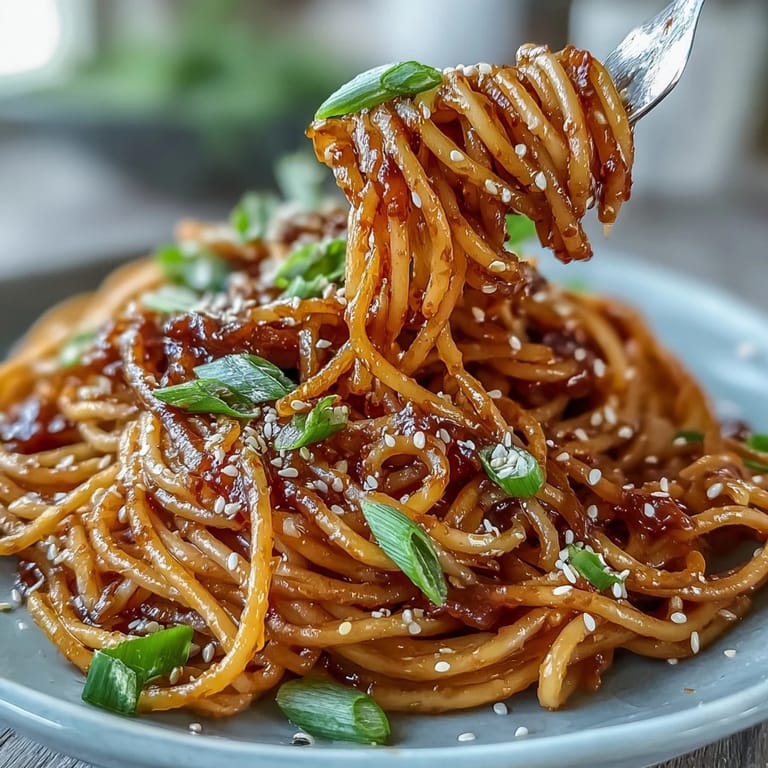
Pin The first time I decided to swirl gochujang and butter together in a skillet, I honestly wasn’t expecting the kitchen to fill with such a heady aroma—a little garlicky, undeniably savory, with that punchy edge of gochujang. There was a jazz playlist humming in the background, but it was the hiss of the pasta water and the sizzle of garlic hitting butter that set the real mood. By the time I scraped every last bit of sauce over the noodles, my partner had already wandered in, lured by curiosity and the promise of something new. Sometimes, dinner gets to surprise everyone, including the cook. This one leapt straight to the top of my weeknight favorites, almost by accident.
I whipped up this pasta for a friend one chilly evening after a long walk, and as we hovered over steaming bowls, we ended up talking about the wildest flavor combinations we'd ever tried. Watching them take that first twirl of noodles felt almost like sharing a secret handshake—pure glee with every bite. Sharing a meal that gets people excited about food all over again is always the best reward. I secretly love eavesdropping on those little mmms of approval drifting from the table. That night, we decided it was now an official 'rainy day' dinner.
Ingredients
- Pasta: Choose spaghetti or linguine—cooks up al dente and gives the sauce plenty of places to cling.
- Salt for water: Never skip salting your pasta water—it's the first layer of flavor your noodles soak up.
- Unsalted butter: This makes the sauce luscious and smooth; swapping in plant-based butter also works a treat.
- Fresh garlic: Minced garlic sizzled in butter is absolute magic; keep the heat low so it doesn't brown.
- Gochujang: This Korean chili paste brings heat and deep umami; a little goes a long way, so I start with two tablespoons.
- Soy sauce: Adds salty depth—tamari is an easy swap for a gluten-free version if needed.
- Honey or maple syrup: Just a touch balances the heat and intensifies the flavors; maple syrup makes it vegan.
- Pasta cooking water: I always save a ladleful—its starchiness transforms the sauce into a glossy coating.
- Spring onions: Thinly sliced for fresh crunch and a pop of green that brightens the bowl.
- Toasted sesame seeds: I sprinkle these on top for little bursts of nuttiness.
- Black pepper: A few grinds right at the end add the perfect gentle heat.
Tired of Takeout? 🥡
Get 10 meals you can make faster than delivery arrives. Seriously.
One email. No spam. Unsubscribe anytime.
Instructions
- Prep and boil:
- Fill a large pot with water and add a decent pinch of salt; let it come to a rolling boil before tossing in your pasta. Stir occasionally and cook until just shy of al dente.
- Sizzle the aromatics:
- In a roomy skillet, melt the butter over medium heat, waiting for that gentle foam. Stir in the garlic, letting it perfume the kitchen without letting it brown—about a minute does the trick.
- Gochujang infusion:
- Lower the heat just a notch and stir in the gochujang, soy sauce, and honey or maple syrup. Let the mixture bubble together, painting the pan deep red and releasing spicy-sweet steam.
- Marry pasta and sauce:
- Once the pasta is drained (make sure you've reserved some pasta water), add it to the skillet. Pour in the saved water and toss everything vigorously—the sauce should hug the noodles evenly and turn glossy in about two minutes.
- Finishing touches:
- Divide pasta into bowls, then top each with spring onions, sesame seeds, and an enthusiastic crack of black pepper. Serve steaming and eat right away while the flavors are boldest.
 Pin
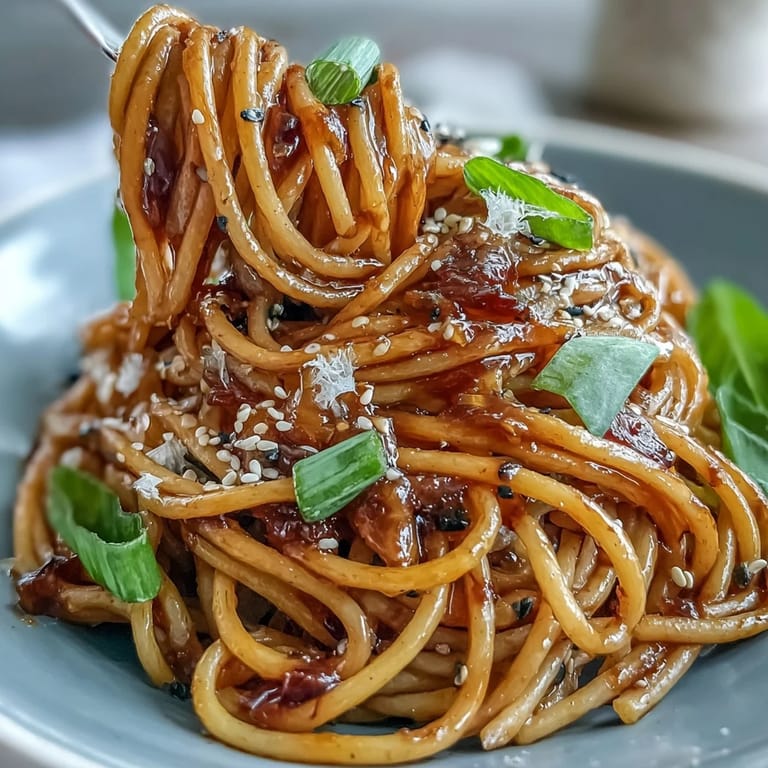
Pin The first time we made this together, my friend swirled their fork through the fiery sauce, closed their eyes, and declared this was the most addictive pasta they'd had all year. Sharing a bowl on the couch, laughter mingled with the soft clink of chopsticks and forks, it became clear this wasn't just a quick dinner—it was a moment worth savoring. Sometimes a humble pasta night turns into a little celebration all its own.
Tweaking to Suit Your Taste
If you like extra heat, a pinch of red pepper flakes or a little more gochujang amps up the spice without masking the buttery base. I've tried a drizzle of sesame oil for added depth, and it never disappoints. Don't hesitate to fold in quick-cooked spinach or tossed mushrooms for an earthier result. Roasted tofu or a soft-boiled egg on top makes it heartier for hungrier evenings. The flavors are robust enough to stand up to just about any veggie or protein you love.
Keeping It Vegan or Gluten-Free
This recipe slides easily into vegan territory with quality plant-based butter and a swap for maple syrup. Gluten-free pasta and tamari work perfectly—I've done it and no one noticed the difference. If you're using a gluten-free noodle, check the cooking time, as it varies. The sauce itself is naturally full of umami, which means you won't lose a thing flavor-wise. Just double-check the labels on gochujang and soy sauce to skip any sneaky gluten or animal products hiding inside.
Little Kitchen Lessons Along the Way
One time I got distracted and overcooked the pasta until it was nearly mush—the sauce was still delicious, but I learned to set a timer. Sometimes I stir in a bit more pasta water than I think I'll need so the sauce can thicken up as it cools. Chopping all my garnishes while the noodles boil saves last-minute scrambling and makes for a gorgeous bowl at the finish.
- Let the sauce simmer gently to avoid splitting.
- Taste and adjust soy and sweetness before tossing with noodles.
- Serve right away for that glossy finish; leftovers tend to dry out a bit.
 Pin
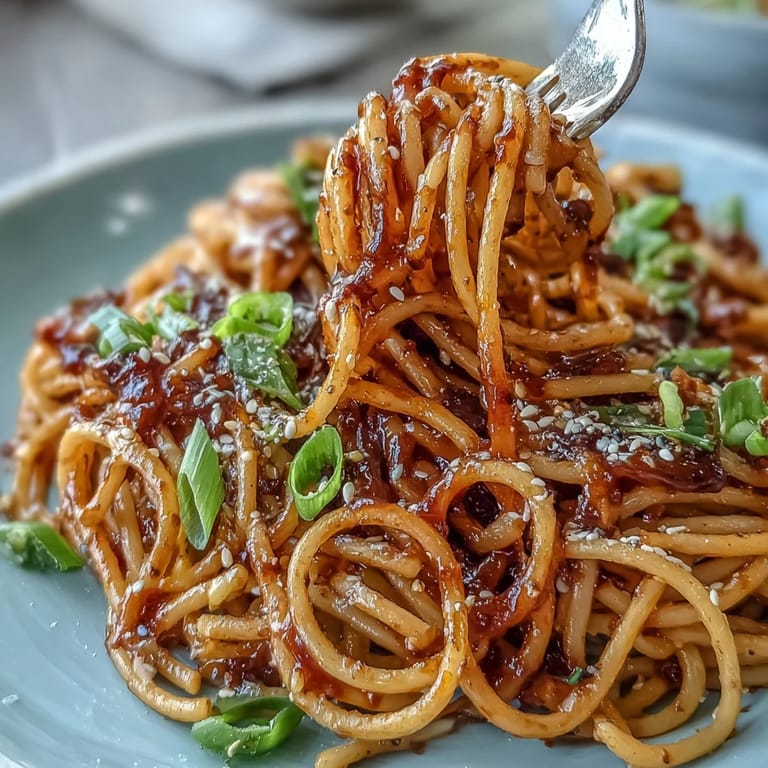
Pin This gochujang butter pasta somehow manages to be both a comfort and an adventure every time I make it. Here's hoping it brings as much color, warmth, and grins to your table as it has to mine.
Recipe Q&A
- → How do I adjust the spice level?
Reduce the gochujang by half and add a little extra honey or maple syrup to balance heat. For more heat, stir in a pinch of Korean chili flakes or extra gochujang.
- → What pasta shapes work best?
Long strands like spaghetti or linguine hold the sauce well, but short shapes with ridges, such as fusilli or penne rigate, will catch the glossy sauce too.
- → How do I get a silky, clingy sauce?
Reserve some pasta cooking water and add it to the sauce while tossing the noodles. The starch in the water emulsifies with the butter and gochujang to create a glossy coating.
- → Can I make this dairy-free or vegan?
Use plant-based butter and swap honey for maple syrup. Check your gochujang label for added fish or shrimp paste if you need a fully vegan product.
- → What garnishes complement the flavors?
Sliced spring onions and toasted sesame seeds add freshness and nuttiness. A soft-boiled egg or cubed crispy tofu adds richness and protein.
- → How should leftovers be stored and reheated?
Store cooled pasta in an airtight container in the fridge for up to 2 days. Reheat gently in a skillet with a splash of water to revive the sauce and prevent drying.