 Pin
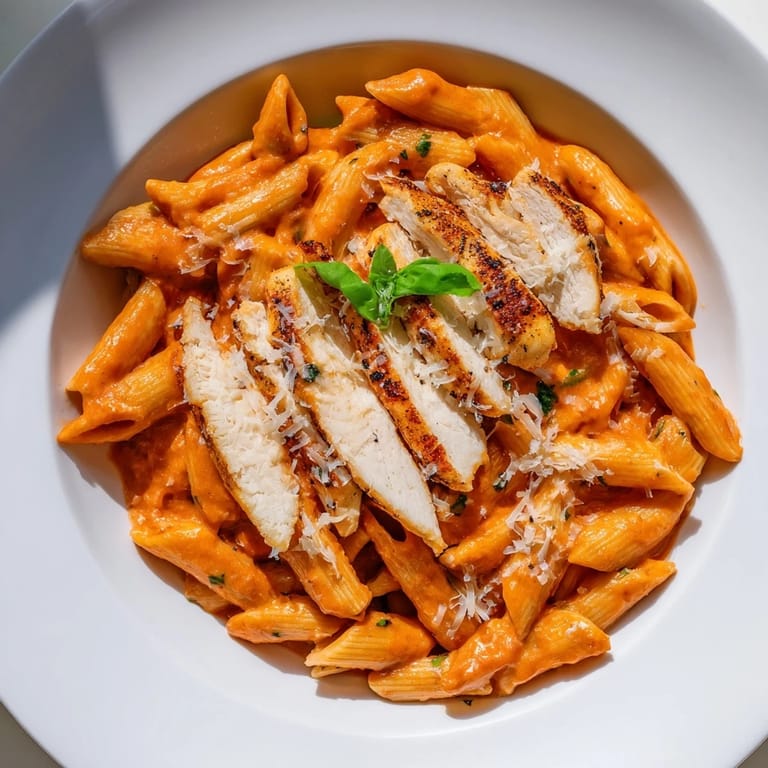
Pin There's something about the smell of garlic and tomatoes hitting hot butter that makes me stop whatever I'm doing in the kitchen. I discovered this pasta on a Tuesday night when I had leftover chicken and a can of tomatoes staring at me from the pantry, and honestly, I just wanted something that didn't taste like I was settling. What came together was so silky and comforting that it became the thing I reach for when I want to feel like I'm eating at a small trattoria instead of my own kitchen.
I made this for my partner after a long day, and watching his face light up when he tasted it was one of those small kitchen wins that stays with you. He asked for seconds before finishing his first plate, which never happens, and that's when I knew I'd found something worth repeating.
Ingredients
- Penne pasta (12 oz): The ridges hold onto the sauce beautifully, and al dente is non-negotiable here because the pasta continues cooking slightly in the sauce.
- Chicken breasts (1 lb): Pound them to even thickness if you have time so they cook through at the same rate and stay juicy.
- Unsalted butter (2 tbsp): Real butter makes the sauce taste like home, and unsalted gives you control over the salt level.
- Yellow onion (1 medium): The sweetness balances the acidity of the tomatoes, and finely chopping it means it dissolves into the sauce.
- Garlic cloves (3): Mince them small so they distribute evenly and don't leave you with harsh bites.
- Crushed tomatoes (14 oz can): The acidity is what makes this sauce sing, and canned actually works better than fresh here because it's more concentrated.
- Heavy cream (1/2 cup): This is what transforms tomato sauce into something luxurious, but don't skip tempering it or it might break.
- Parmesan cheese (1/3 cup): Freshly grated makes all the difference in texture and flavor compared to the pre-grated stuff.
- Fresh basil (1/2 cup): Half goes in at the end for brightness, half gets stirred in at the very last second so it stays vibrant.
- Red pepper flakes (1/2 tsp): Optional, but a small pinch adds a whisper of heat that makes the tomato flavor pop.
Tired of Takeout? 🥡
Get 10 meals you can make faster than delivery arrives. Seriously.
One email. No spam. Unsubscribe anytime.
Instructions
- Get the pasta started:
- Salt your water generously so the pasta tastes good from the start, then let it come to a rolling boil. You want al dente, which means it has a slight bite and will finish cooking in the sauce without turning mushy.
- Season and sear the chicken:
- Pat the chicken dry so it browns instead of steams, then season generously on both sides. Listen for that sizzle when it hits the hot oil, and don't move it around too much or you'll interrupt the golden crust forming.
- Build the base:
- After the chicken rests, use the same skillet so you capture all those browned bits, which is where half the flavor lives. Cook the onion until it's soft and nearly translucent, then add garlic for just a minute so it doesn't burn.
- Simmer the tomatoes:
- Let them bubble gently for a few minutes to mellow out any metallic edge from the can, and the sauce will deepen in color slightly.
- Temper and fold in the cream:
- Lower the heat before adding cream so it doesn't curdle, and stir it in slowly while the sauce stays warm. You're creating something silky, not scrambling it.
- Melt the cheese and finish:
- Stir the parmesan in off the heat so it melts smoothly, then add half the basil for brightness and color. Taste and season, because salt is your friend here.
- Bring it together:
- Add the sliced chicken and drained pasta, then use some of that reserved pasta water to loosen the sauce to a silky consistency. You want it clinging to the pasta, not pooling on the plate.
- Serve with ceremony:
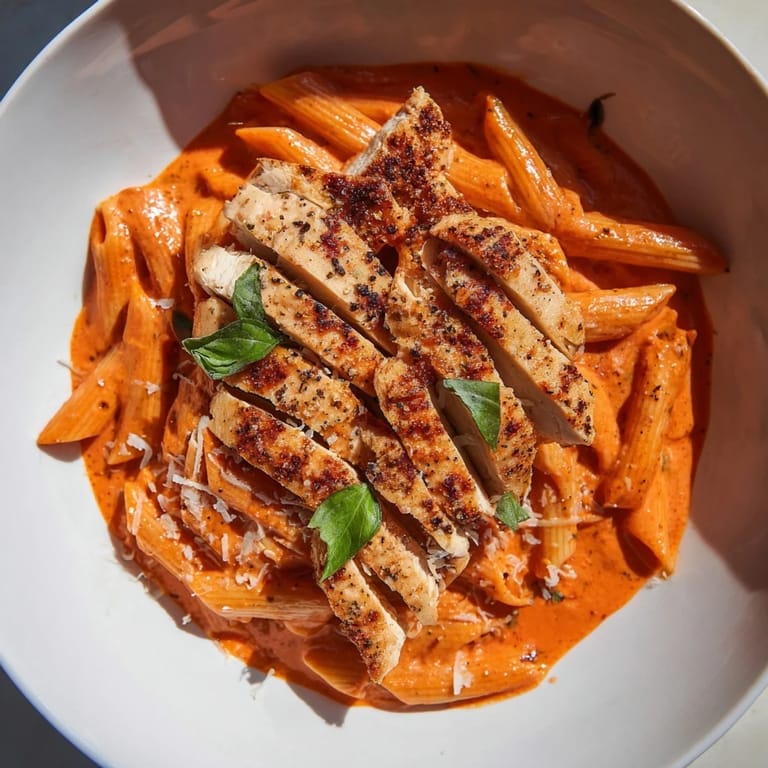
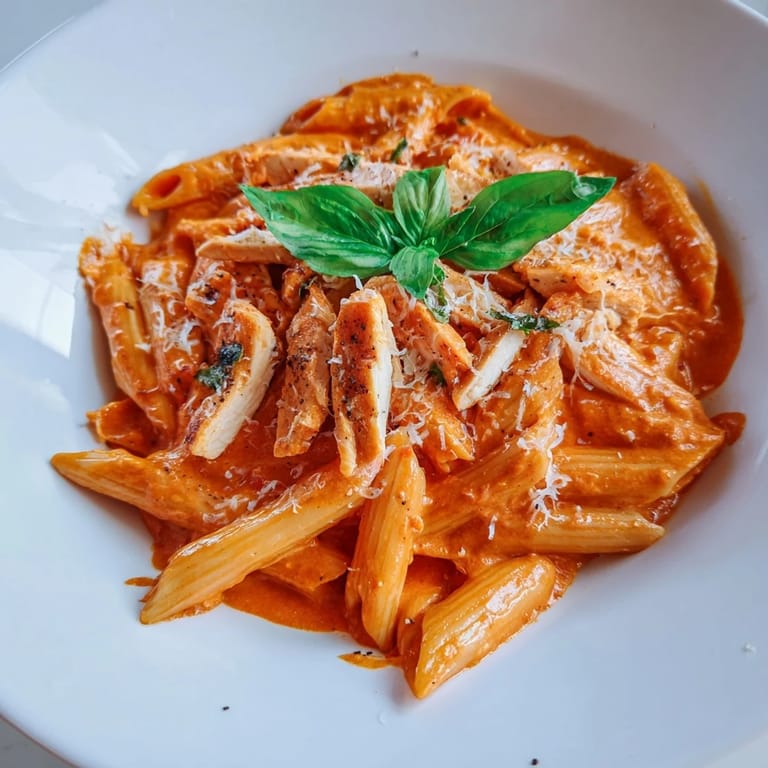
- Top with remaining basil and extra parmesan, and serve while it's still warm and the basil is still green.
 Pin
Pin The first time someone asked for the recipe, I realized this wasn't just something I made when I had ingredients on hand anymore. It had quietly become the dish that makes people feel cared for, the kind of meal that says I was thinking of you without sounding like I'm trying too hard.
The Secret to Silky Sauce
The real magic isn't any one ingredient, it's understanding that tomato sauce needs fat and starch to cling to pasta instead of sliding off. When you reserve that pasta water, you're not just adding liquid, you're adding the starch that emulsifies with the butter and cream to create something glossy and luxurious. This is the same technique fancy Italian restaurants use, and it costs you nothing.
Timing and Temperature Control
This dish teaches you something important about heat: sometimes going slower is faster. Medium heat on the onions means they soften and sweeten instead of browning, and a gentle simmer on the sauce means it thickens without reducing so much that it becomes too concentrated. Rushing the sauce by cranking the heat will toughen the cream and make the flavors harsh.
Playing with the Recipe
Once you understand how this works, you can trust your instincts with variations. A splash of white wine after the onions adds sophistication, spinach brings earthiness instead of the bright herb note, and sautéed mushrooms make it vegetarian without feeling like something's missing. The structure is solid enough to handle your own ideas without falling apart.
- A pinch of nutmeg in the cream makes it taste like it's been simmering all day even though it hasn't.
- Let the pasta cook just under al dente so it finishes perfectly when it hits the warm sauce.
- Save extra fresh basil to scatter over the top right before serving for that restaurant moment.
 Pin
Pin This is the kind of recipe that reminds you why cooking at home is worth the small effort. It tastes like care, comes together faster than takeout, and makes your kitchen smell like somewhere you want to stay.
Recipe Q&A
- → What pasta works best for this dish?
Penne pasta is ideal as it holds the creamy tomato basil sauce well, but rigatoni or fusilli can also be used.
- → Can I use fresh tomatoes instead of canned ones?
Fresh ripe tomatoes can be used but should be peeled and crushed to achieve the right sauce consistency.
- → How can I ensure the chicken stays tender?
Cook chicken breasts over medium-high heat until just golden and let them rest before slicing to retain juiciness.
- → What can I add to spice up the sauce?
Red pepper flakes add mild heat; adjust the quantity or add a pinch of cayenne for more spice.
- → Is there a way to make the sauce thicker?
Simmer the sauce longer to reduce or add a small amount of reserved pasta water gradually for a silky, thick finish.
- → What garnishes complement this dish?
Fresh basil leaves and extra parmesan enhance the flavor and presentation when sprinkled on top before serving.