 Pin
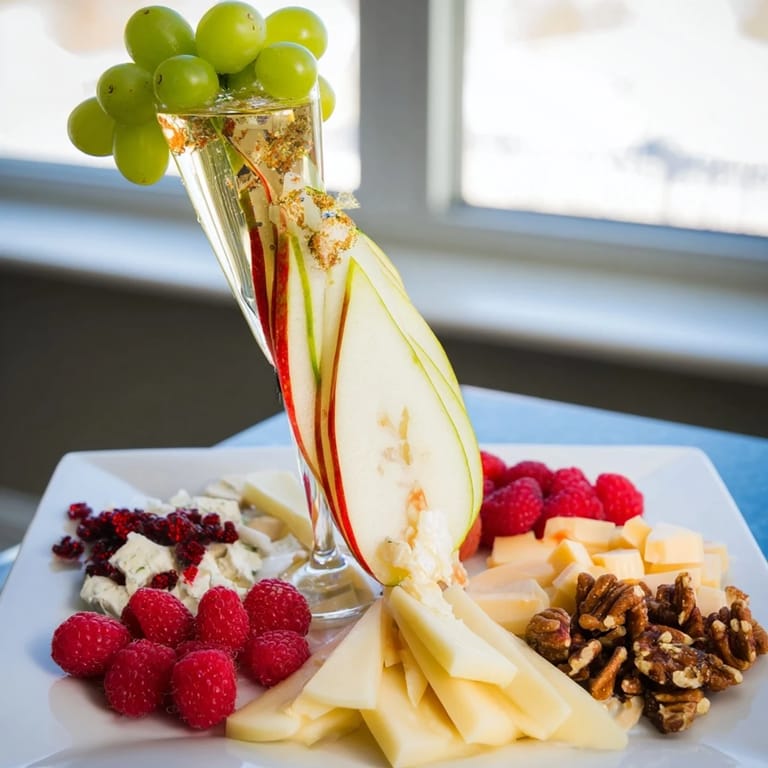
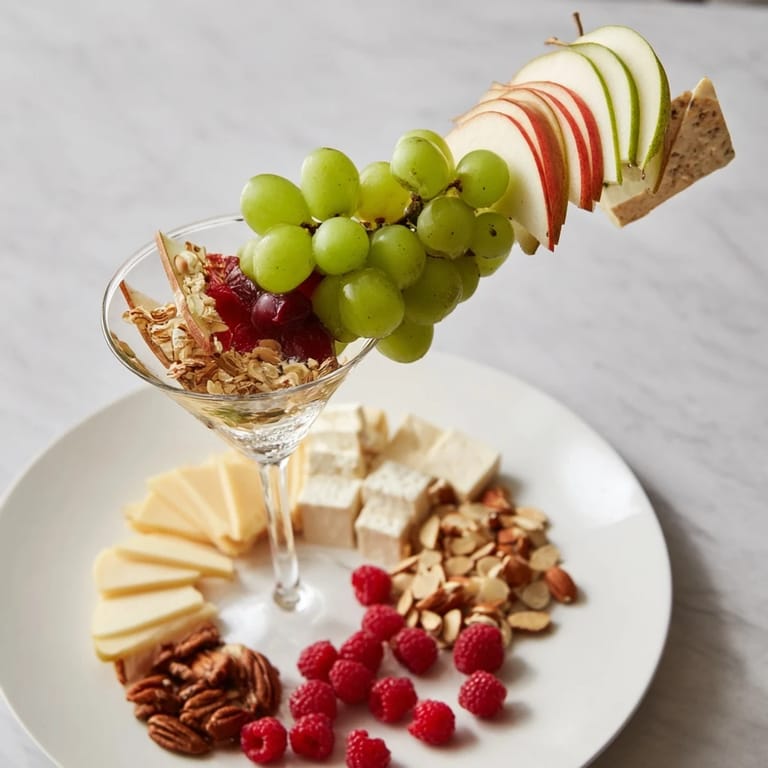
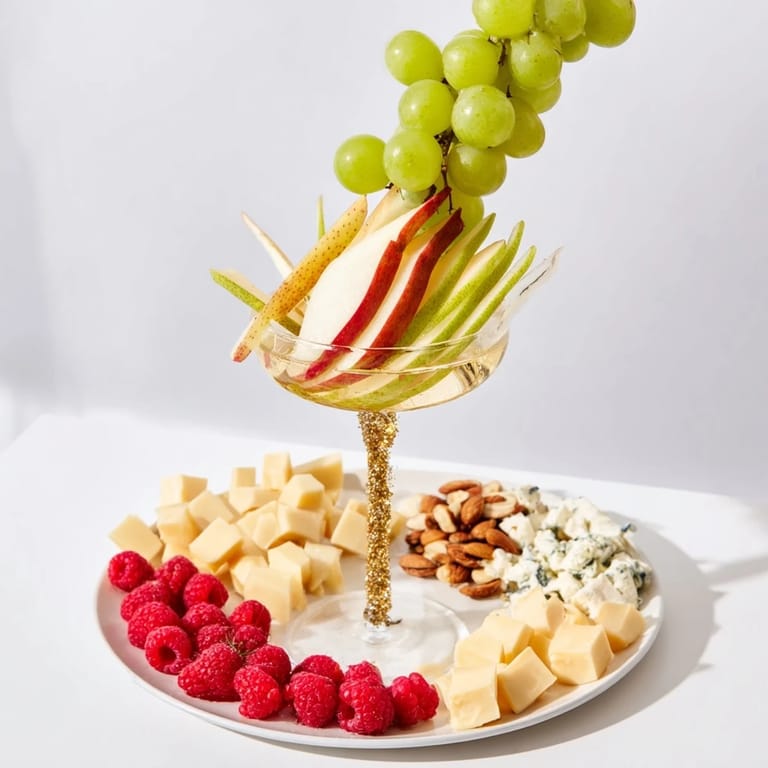
Pin There's something magical about the moment when guests arrive and see a champagne coupe tilted on a board, impossibly spilling grapes and fruit across the table like liquid gold. I discovered this board concept at a friend's engagement party, where the host had arranged it with such effortless elegance that I spent half the evening just watching people react to it. The genius isn't in the ingredients themselves—it's in the drama of the presentation, that cascading illusion that makes everyone feel like they've stepped into something celebratory before they even taste anything. Since then, I've made it for every gathering that deserves a little theatricality, and somehow it never fails to become the conversation starter.
I remember assembling one of these for my sister's bridal shower, and the whole board came together so quickly that I actually had time to sit down with a glass of champagne before people arrived. My mom walked in, saw the waterfall effect, and just smiled—no words needed. That's when I realized this board isn't really about the food; it's about creating a moment where everyone feels welcome to help themselves, to linger, to taste without pressure.
Ingredients
- Brie, sliced: The creamy anchor that makes people pause—it melts slightly when the room warms up, which is actually perfect on a cracker.
- Aged cheddar, cubed: Choose something with real bite and visible texture; it's the backbone that says this board has standards.
- Goat cheese, crumbled: The tangy surprise that balances the richness and adds visual contrast with its chalky white.
- Prosciutto, folded: Paper-thin and draped loosely—it should look like silk, not wrinkled tissue, so handle it just before serving.
- Salami, sliced: Pick one with good color contrast; the deeper the red, the more dramatic against the pale cheeses.
- Green and red grapes: These are your waterfall stars—choose ones that are firm enough to cascade without rolling off the board entirely.
- Pear and apple slices: Toss these in a tiny bit of lemon juice right before arranging to slow browning and add subtle brightness.
- Fresh raspberries: Scatter these as jewels between other items; they photograph beautifully and taste like celebration.
- Candied pecans: Homemade is better if you have time, but high-quality store-bought works—they add crunch and sweetness simultaneously.
- Roasted almonds: The neutral texture that lets other flavors shine and keeps people's hands busy between sips.
- Assorted crackers: Mix shapes and textures—thin and crispy next to hearty whole grain so everyone finds their match.
- Baguette slices: Toast them lightly if you want them to hold up longer, or serve fresh for that soft, pillowy contrast.
- Honey: Drizzle it directly on warm baguette slices or use as a dip for cheese—it's the final touch that makes someone close their eyes.
- Fig jam: Earthy and complex; it transforms a simple cracker into something that tastes intentional and thought-through.
- Edible flowers: Not just for show—they add delicate flavor and remind everyone that this moment matters.
- Fresh mint sprigs: Crush one gently as you eat it to release the oils; it cleanses the palate between bites perfectly.
Tired of Takeout? 🥡
Get 10 meals you can make faster than delivery arrives. Seriously.
One email. No spam. Unsubscribe anytime.
Instructions
- Set the stage with your coupe:
- Place your champagne glass at the board's center and tilt it gently on its side, resting it so it feels precarious but secure—you want it to look like it might spill at any moment. The angle matters more than you'd think; too upright and you lose the waterfall illusion, too far and grapes just scatter.
- Begin the cascade with grapes:
- Arrange your green and red grapes as if they're tumbling from the glass lip, letting them roll naturally down the board in a loose river. This is where patience pays off—step back and adjust so the flow looks organic, not forced.
- Fan your fruit into the flow:
- Layer your pear and apple slices next to the grapes, overlapping them slightly like autumn leaves catching in a stream. The pale fruit beside the darker grapes creates visual depth that makes the whole thing pop.
- Cluster your cheeses strategically:
- Group different cheeses in small piles around the base of the glass—brie in one corner, aged cheddar in another, goat cheese crumbled between them. This variety encourages people to taste and compare rather than mindlessly snack.
- Add the charcuterie with intention:
- Fold prosciutto into loose ruffles and stack salami so it catches light—place these in pockets between cheeses where they create visual contrast and invite the eye to keep exploring.
- Scatter nuts and berries for texture:
- Sprinkle candied pecans, roasted almonds, and raspberries throughout empty spaces on the board, treating them like gemstones rather than filler. Let some cluster together while others sit alone, creating visual interest and surprise bites.
- Edge the board with crackers and bread:
- Arrange your assorted crackers and baguette slices around the perimeter so they're accessible but not overwhelming the board's center. Stand some upright to vary the height and create dimension.
- Cradle your condiments:
- Nestle small bowls of honey and fig jam among other ingredients—position them where they won't get knocked over but still feel like part of the presentation, not afterthoughts.
- Crown it with garnish:
- Scatter edible flowers and fresh mint sprigs across the board moments before serving, letting them catch light and add that final touch of celebration. These aren't decoration; they're the promise that someone cared about the details.
- Serve with ceremony:
- Bring the board to the table with chilled champagne and watch people's faces light up before they even taste anything—that moment is the real recipe.
 Pin
Pin I'll never forget my niece, age seven, carefully constructing the perfect bite—a sliver of brie, a candied pecan, a raspberry—and looking up with the satisfaction of someone who'd just created art. That's when grazing boards stopped being about impressing people for me and became about giving everyone permission to play with their food.
The Architecture of Visual Drama
The champagne coupe isn't just a prop; it's a focal point that organizes everything else on the board. When I first tried this without one, the whole arrangement felt flat and aimless. The glass creates a reason for the chaos—it's the source of the waterfall, the thing your eye returns to again and again. Everything else cascades from that choice, literally and metaphorically. Spend time positioning it correctly, and the board almost arranges itself.
Seasonal Swaps and Personal Tweaks
Summer calls for berries and stone fruits, autumn demands figs and pomegranate seeds, and winter can carry dried apricots and persimmons. I've made this board in every season, and each time I've learned that the best version is the one that reflects what's actually good at your farmer's market right now, not what the original recipe demanded. The framework stays the same; everything else is yours to reimagine.
Pairing and Timing That Elevates Everything
Brut champagne is the obvious choice, but I've served this board with prosecco, cava, and even a dry sparkling wine depending on the budget and the moment. Each changes the flavor story slightly, and that's the point—this board is flexible enough to adapt to whatever celebration brought people together. The best timing move I learned: assemble the board thirty minutes before serving, cover it loosely with plastic wrap, and pull it out cold. Cold ingredients taste fresher, look crisper, and stay fresher longer as people graze.
- Chill your board in the freezer for ten minutes before assembly if it's a warm day; this keeps cheese and fruit fresher throughout the gathering.
- Cut fruits just before arranging them, not hours ahead, or they'll oxidize no matter how much lemon juice you use.
- Place your honey and jam bowls in the freezer for five minutes before setting them on the board so they hold their shape and look intentional rather than melting into everything else.
 Pin
Pin This board has become my answer to the question of how to celebrate without spending the whole event in the kitchen. It's become my way of saying I'm glad you're here, eat what you want, stay as long as you'd like.
Recipe Q&A
- → How do I create the waterfall effect?
Tilt the champagne coupe glass on its side at the board's center, placing grapes and sliced fruits to spill naturally from the glass and down the board, mimicking a cascading waterfall.
- → Can I make this board vegan-friendly?
Yes, substitute dairy cheeses with plant-based alternatives and omit charcuterie to suit a vegan diet while maintaining vibrant flavors and textures.
- → What are good beverage pairings?
This board pairs beautifully with brut Champagne, sparkling wines, or light white wines to complement the creamy cheeses and fresh fruits.
- → How should I prep ingredients for best presentation?
Slice fruits and cheeses just before assembling to preserve freshness and prevent browning; arrange nuts and garnishes last for maximum appeal.
- → What nuts work best on this board?
Candied pecans and roasted almonds provide crunch and sweetness that contrast well with the creamy cheeses and juicy fruits.
- → Is the charcuterie optional?
Yes, charcuterie like prosciutto and salami can be omitted or added depending on dietary preferences, keeping the board flexible for all guests.