 Pin
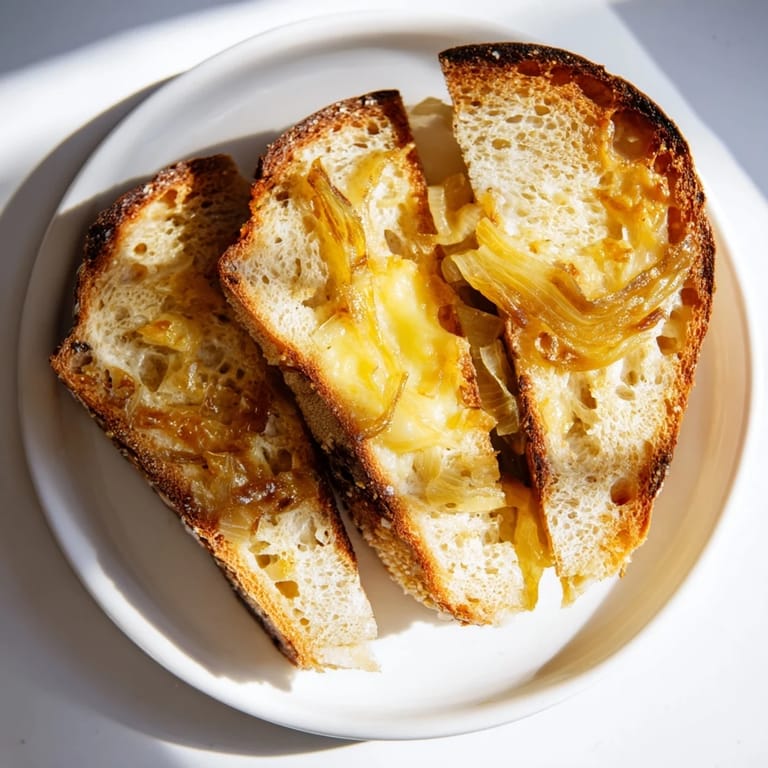
Pin There's a moment when you're standing over a skillet of onions that have been slowly turning golden for what feels like forever, and you suddenly understand why the French obsess over them. I learned this lesson on a rainy Tuesday afternoon when I decided to elevate my grilled cheese game beyond the basic formula I'd relied on for years. The transformation of something as humble as an onion into pure sweetness, paired with the nuttiness of Gruyère melting into buttery bread, felt like discovering a secret that had been hiding in my kitchen the whole time.
My neighbor came over unannounced one evening just as I was pulling these sandwiches from the pan, and the aroma alone made her pause at the door with this bemused expression, like she couldn't quite place what smelled so good. She took one bite and immediately asked for the recipe, which made me realize that comfort food doesn't have to stay comfortable—it can surprise you too.
Ingredients
- Yellow onions: Medium ones work best because they have the right sugar content to caramelize into deep amber richness without becoming bitter; thinly slicing them ensures they cook evenly and melt into the cheese.
- Unsalted butter: Use real butter here, not margarine—you'll taste the difference in every bite, both in the onions and in the golden crust of your bread.
- Kosher salt and freshly ground black pepper: Season as you go with the onions; this prevents them from steaming instead of caramelizing.
- Sugar and balsamic vinegar: These are optional additions, but a tiny pinch of sugar speeds up caramelization and a splash of vinegar adds complexity that makes people wonder what you did differently.
- Rustic sourdough or country bread: Look for bread with some real structure and flavor—thin sandwich bread will disappear once it hits the pan.
- Gruyère cheese: Grate it yourself if you can; pre-shredded cheese has anti-caking agents that make it less creamy when melted, and creaminess is what matters here.
Tired of Takeout? 🥡
Get 10 meals you can make faster than delivery arrives. Seriously.
One email. No spam. Unsubscribe anytime.
Instructions
- Start the onions early:
- Melt butter in a large skillet over medium-low heat, then add your sliced onions with salt and pepper. This is the long part—plan for 25 to 30 minutes of occasional stirring while they slowly transform from pale and watery to golden and concentrated, releasing their natural sweetness.
- Finish with depth:
- Once the onions are deeply caramelized, stir in a pinch of sugar and a small splash of balsamic vinegar if you want to use them; they add a subtle complexity that makes people ask what that flavor is. Cook for just 2 to 3 more minutes, then set the onions aside.
- Build your sandwich:
- Spread softened butter on one side of each bread slice, then lay two slices butter-side down on your workspace. Distribute half the grated Gruyère on each, then spoon the warm caramelized onions over the cheese, and finish with the remaining Gruyère so you have cheese on both sides of the onions.
- Press and flip with purpose:
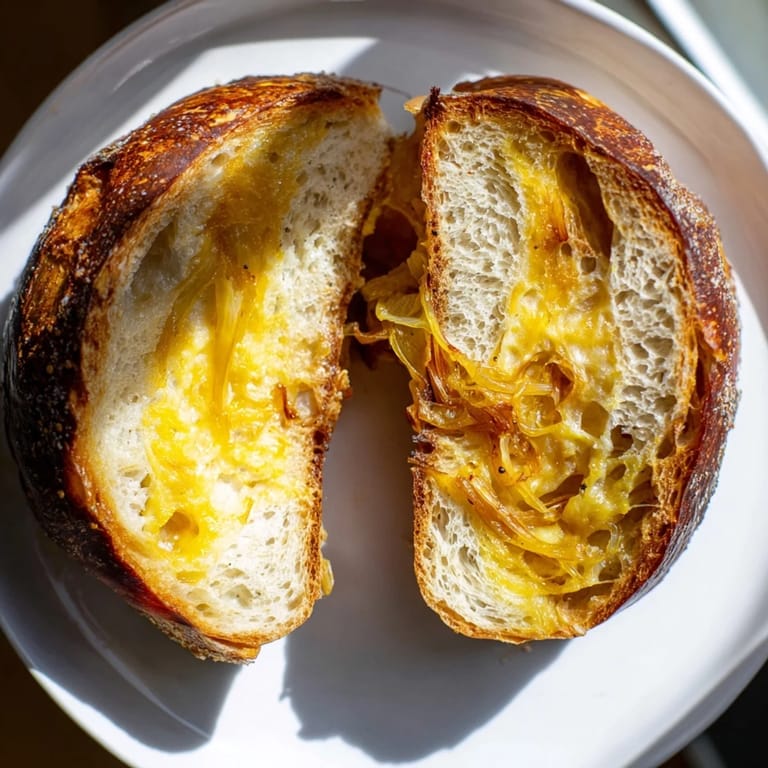
- Place your completed sandwiches in a heated nonstick skillet or griddle over medium heat and cook for 3 to 4 minutes per side, pressing gently with a spatula so the cheese melts evenly into the bread. If the bread is browning too quickly before you see melted cheese pushing at the edges, lower the heat slightly and give it more time.
 Pin
Pin I've made this sandwich for a friend who was stressed about a big presentation, and watching her take that first bite and genuinely exhale made me realize that food can be a small kindness. There's something about taking the time to caramelize onions for someone that says you care more than any rushed meal ever could.
The Art of Caramelization
Caramelizing onions is one of those kitchen skills that feels like magic once you understand what's actually happening—the natural sugars in the onions are slowly breaking down and concentrating, turning mild and slightly sharp into something rich and almost sweet. The key is medium-low heat and patience; rushing it with high heat will brown the outside while leaving the inside raw, or worse, it'll burn and taste bitter. I used to think I was doing it wrong because mine weren't golden enough, until I realized I was just checking too soon and not letting them sit undisturbed long enough between stirs.
Why Gruyère Matters Here
Gruyère has a nuttiness and complexity that sets it apart from milder cheeses; it melts beautifully while keeping its character rather than disappearing into a bland puddle. Swiss cheese will give you something similar if you can't find Gruyère, and Emmental works too, but whatever you choose, make sure it's something you'd actually enjoy eating on its own, because that's essentially what you're tasting here. The cheese isn't just a binder—it's a partner to the onions, and they need to be evenly matched in quality for the whole thing to sing.
Serving Suggestions and Variations
This sandwich is rich enough to be a complete meal, but I've found it pairs beautifully with something sharp and simple on the side—a quick green salad with a vinegary dressing cuts through the butter and cheese perfectly, or a bowl of tomato soup if you want to lean into comfort. Some people add a thin layer of ham between the cheese and onions for something heartier, and fresh thyme leaves stirred into the onions at the very end add an herbal note that feels almost French bistro. The beauty of this recipe is that it's forgiving enough for experimentation once you've made it the classic way at least once.
- Pair with a crisp white wine or even a light beer if you want to get fancy about it.
- Make the caramelized onions the night before and store them in the fridge to save time on busy weeknights.
- This recipe doubles easily if you're feeding more than two people, though you'll need a bigger skillet or the patience to cook sandwiches in batches.
 Pin
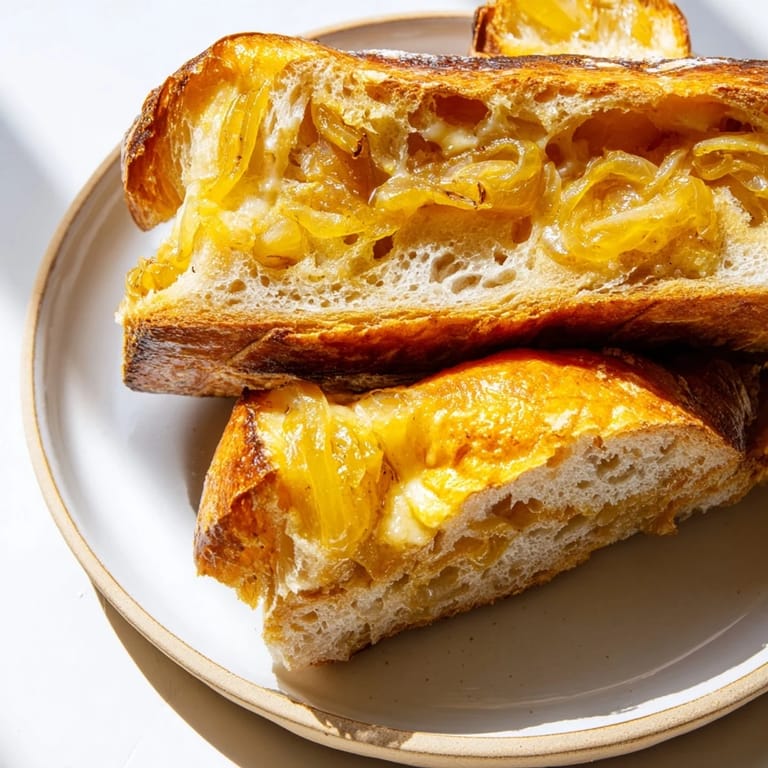
Pin This sandwich taught me that sometimes the best meals come from slowing down and respecting simple ingredients. There's something deeply satisfying about transforming butter, onions, and cheese into something that makes people actually pause and pay attention to what they're eating.