 Pin
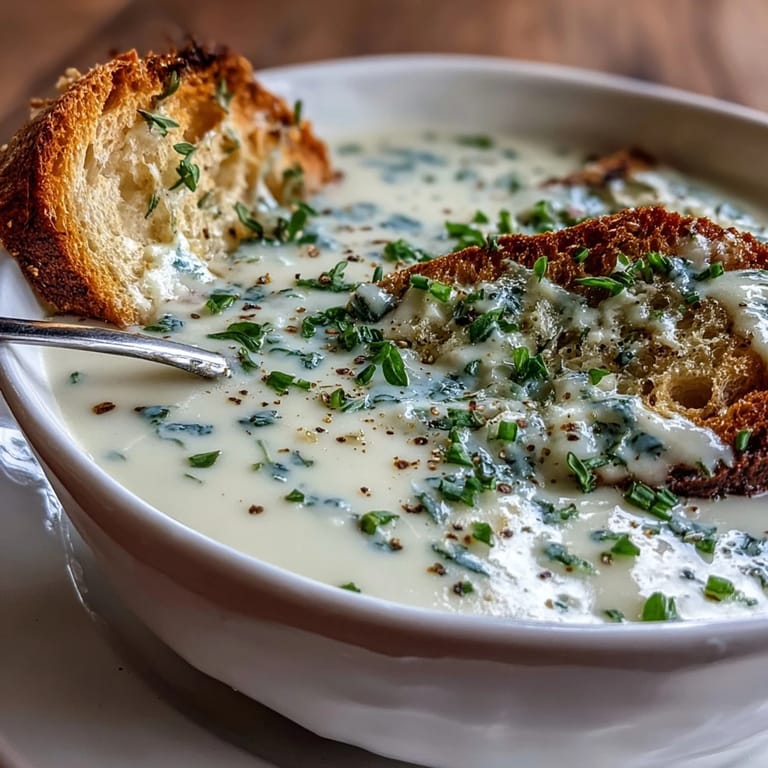
Pin There's something almost magical about the smell of garlic transforming in the oven—sweet, mellow, nothing like the sharp bite you get from raw cloves. I discovered this soup entirely by accident one autumn when I had way too many garlic heads from the farmers market and a kitchen that felt cold despite the season. My partner walked in halfway through roasting and asked what smelled so good, and honestly, I didn't know yet either. By the time the soup was blended into that silky, golden warmth, we both understood: sometimes the best dishes come from having no real plan.
I made this for my grandmother's book club gathering, worried the flavor would be too subtle for a crowd that usually gravitates toward bold tastes. Instead, three people asked for the recipe before dessert arrived, and one woman told me it reminded her of a soup she had in Lyon years ago. That moment made me realize how a simple combination of roasted vegetables and herbs can feel like travel in a bowl.
Ingredients
- Garlic heads, whole (3): Roasting transforms garlic into something completely different—soft, sweet, almost spreadable—so use whole heads and don't skimp; this is the star ingredient.
- Yellow onion (1 large), chopped: The base layer of flavor that won't compete with the garlic once everything blends together.
- Yukon Gold potatoes (2 medium), peeled and diced: These waxy potatoes hold their shape during cooking and create natural creaminess when blended, so don't swap them for russets.
- Celery stalks (2), chopped: Adds subtle depth without announcing itself—think of it as the quiet voice in a conversation.
- Carrot (1 medium), chopped: A touch of sweetness that balances the earthy herbs and brings color to the finished soup.
- Fresh thyme (2 tbsp) or dried (2 tsp): Fresh thyme is worth seeking out here because you'll taste the difference in every spoonful, but dried works if that's what you have on hand.
- Fresh parsley (2 tbsp), chopped: Adds brightness and a hint of freshness that keeps the soup from feeling too heavy.
- Bay leaf (1): Don't forget to fish this out before blending, but do remember it's in there—I learned that lesson the hard way.
- Dried oregano (1 tsp): A Mediterranean whisper that rounds out the herb profile without making the soup taste Italian exactly.
- Black pepper (1/2 tsp), freshly ground: Freshly ground tastes sharper and cleaner than pre-ground; it makes a real difference in a soup this delicate.
- Salt (1 tsp), adjusted to taste: Start with this amount and add more once everything is blended; you'll have a clearer sense of what the soup needs.
- Vegetable broth (1.5 liters or 6 cups): Use a good quality broth if you can—it's one of the few ingredients you can really taste directly.
- Olive oil (2 tbsp): One tablespoon goes in the oven with the garlic, the rest goes into your pot for the vegetables.
- Unsalted butter (2 tbsp), optional: This adds richness and a silky mouthfeel, but leave it out if you're keeping things plant-based or lighter.
- Fresh chives or parsley (2 tbsp), finely chopped: Save this for garnish so it stays bright and adds a final pop of color and flavor.
- Crusty bread, for serving (optional): Not essential, but it's a nice way to stretch the meal if you're feeding hungry people.
Tired of Takeout? 🥡
Get 10 meals you can make faster than delivery arrives. Seriously.
One email. No spam. Unsubscribe anytime.
Instructions
- Prep your garlic for the oven:
- Preheat your oven to 400°F (200°C), then carefully slice off just the top quarter-inch of each garlic head to expose the cloves inside. Drizzle with 1 tablespoon of olive oil, season lightly with salt and pepper, wrap each head loosely in foil, and place on a baking sheet. The garlic will roast for 35 to 40 minutes until the cloves soften and turn a deep golden color—you'll know it's ready when a clove squishes easily under gentle pressure.
- Build your flavor base:
- While the garlic roasts, warm the remaining olive oil and butter in a large pot over medium heat until the butter foams slightly. Add your chopped onion, celery, and carrot, stirring occasionally for 5 to 7 minutes until the vegetables begin to soften and smell sweet rather than raw.
- Combine everything:
- Once the roasted garlic has cooled enough to handle, squeeze the soft cloves out of their papery skins directly into the pot—they should slip out with barely any pressure. Toss in your diced potatoes, fresh thyme, parsley, bay leaf, oregano, salt, and black pepper, stirring everything together so the herbs and garlic coat the vegetables evenly.
- Simmer until tender:
- Pour in the vegetable broth and raise the heat until you see active bubbles breaking the surface, then reduce the heat to a gentle simmer. Let it bubble softly for about 20 minutes, stirring occasionally, until the potatoes are completely tender when you pierce them with a fork.
- Blend into silky smoothness:
- Remove the bay leaf first—seriously, don't skip this step—then use an immersion blender to puree the soup directly in the pot, moving it slowly through the liquid until everything is creamy and no visible chunks remain. If you prefer using a countertop blender instead, work in batches and be careful with the hot liquid, letting it cool slightly and never filling the blender more than halfway.
- Taste and adjust:
- The moment of truth arrives when you take a spoon of the hot soup for a taste. You might want more salt, a crack of black pepper, or even a pinch more thyme—add these adjustments a little at a time, tasting between each addition.
- Serve with warmth:
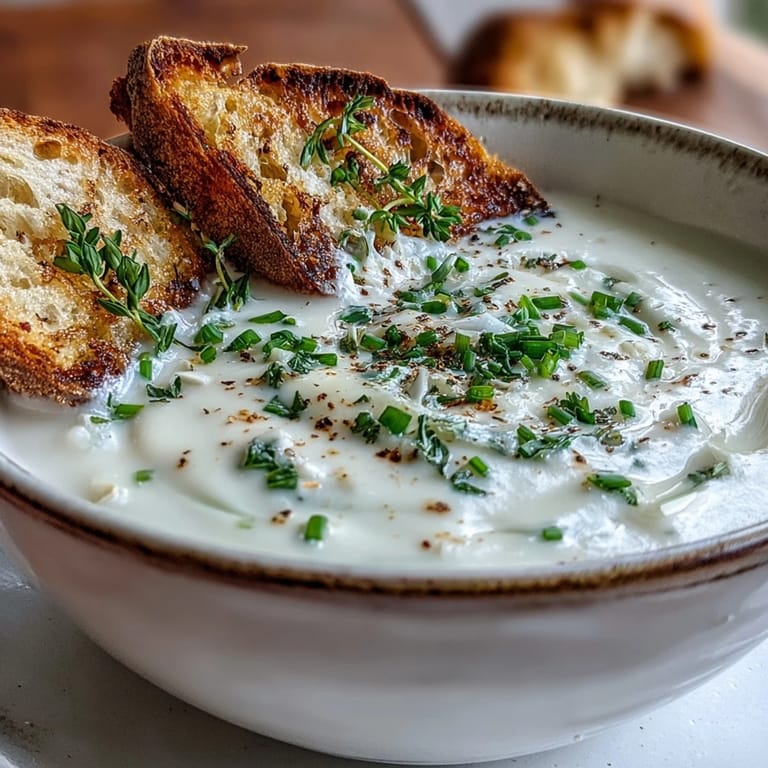
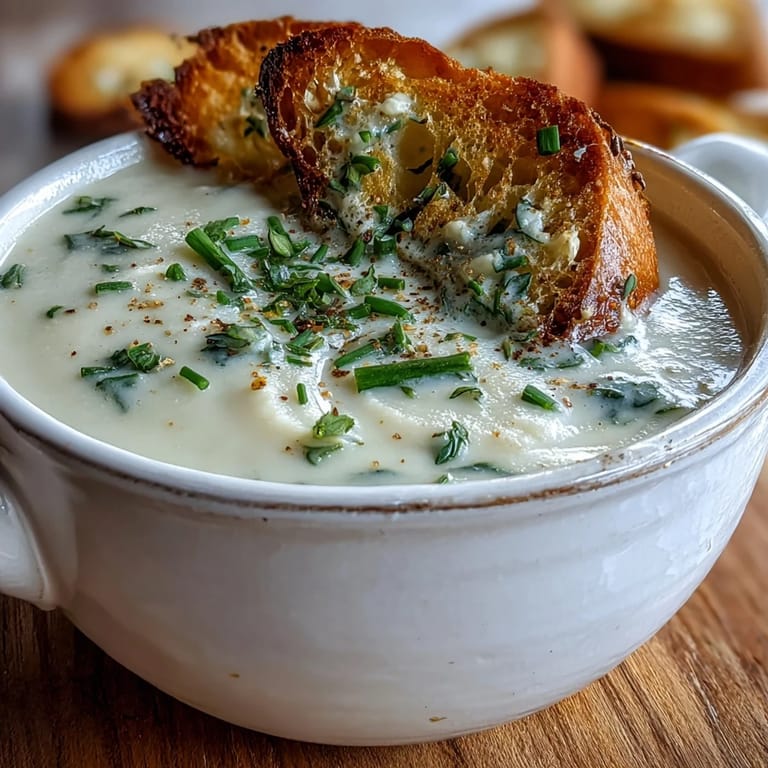
- Ladle the soup into bowls, scatter some fresh chives or parsley over the top for color and a fresh bite, and serve immediately with thick slices of crusty bread for dunking if you like.
 Pin
Pin What stayed with me most about this soup wasn't the technical satisfaction of getting it right, but the evening my neighbor stopped by, tried a bowl, and suddenly opened up about missing her mother's cooking from childhood. That's when I understood that this kind of gentle, savory, herb-touched soup does something beyond nourish—it creates a moment where people feel safe enough to remember and share.
Why Roasting Changes Everything
Raw garlic and roasted garlic are almost different ingredients. When you roast garlic slowly in the oven, the harsh sulfur compounds transform into sweet, caramelized sugars that taste almost mellow and approachable. The first time I understood this was when I served a raw garlic soup to friends and then, weeks later, made the roasted version for the same group—the difference in their reactions told me everything I needed to know about technique.
The Art of Blending
An immersion blender makes this soup possible without any real fuss, but the speed at which you blend matters more than most people realize. If you rush it, you can overheat the soup or create too many air bubbles, which sounds minor until you taste the difference in texture. A slow, deliberate hand with the blender wand gives you that restaurant-quality silkiness that makes people pause between spoonfuls to notice how good the soup actually is.
Variations That Still Honor the Original
Once you've made this soup a few times, the base becomes familiar enough that you can start playing with it. A splash of heavy cream added at the very end creates richness without changing the fundamental character of the dish. Some people love roasting a handful of potatoes separately and scattering them on top instead of blending them all in, which gives you texture contrast and makes the soup feel more substantial. Here are three ideas to carry you forward:
- Stir in a splash of heavy cream or plant-based cream just before serving for a richer mouthfeel that feels luxurious without being over the top.
- Roast extra garlic heads and serve some whole cloves on the side so people can squeeze them onto crusty bread like a spread if they want an extra hit of that roasted flavor.
- Try adding a pinch of red pepper flakes or a drizzle of truffle oil at the very end if you want to surprise people with subtle depth they won't quite be able to name.
 Pin
Pin This soup reminds me that sometimes the most comforting food doesn't require fancy techniques or rare ingredients—just patience while garlic transforms in the oven and a willingness to blend things until they become something wholly new. Make it once and you'll understand why it became a regular rotation in my kitchen.
Recipe Q&A
- → Can I make this soup ahead of time?
Yes, this soup actually improves in flavor when made a day ahead. Store it in an airtight container in the refrigerator for up to 3 days. Reheat gently over medium-low heat, adding a splash of broth if needed to adjust consistency.
- → How do I roast the garlic properly?
Preheat your oven to 400°F (200°C). Slice about ¼ inch off the top of each garlic head to expose the cloves. Drizzle with olive oil, wrap tightly in foil, and roast for 35–40 minutes until the cloves are soft and golden. The garlic should squeeze easily from its skins when done.
- → What can I substitute for Yukon Gold potatoes?
Russet or red potatoes work well as alternatives. Russets will create an even creamier texture, while red potatoes hold their shape slightly better. For a lower-carb version, you can reduce the potato amount or substitute with cauliflower florets.
- → Is this soup freezer-friendly?
Absolutely. Cool the soup completely before transferring to freezer-safe containers, leaving about an inch of space at the top for expansion. It freezes well for up to 3 months. Thaw overnight in the refrigerator before reheating.
- → How can I make this soup vegan?
Simply omit the butter or replace it with your preferred plant-based butter or olive oil. The soup remains just as creamy and satisfying without any dairy ingredients.
- → What herbs work best in this soup?
Fresh thyme, parsley, and oregano provide a classic herb foundation. You can also add fresh rosemary for a piney note or basil for a sweeter finish. Dried herbs work in a pinch—use about one-third the amount of fresh herbs called for.