 Pin
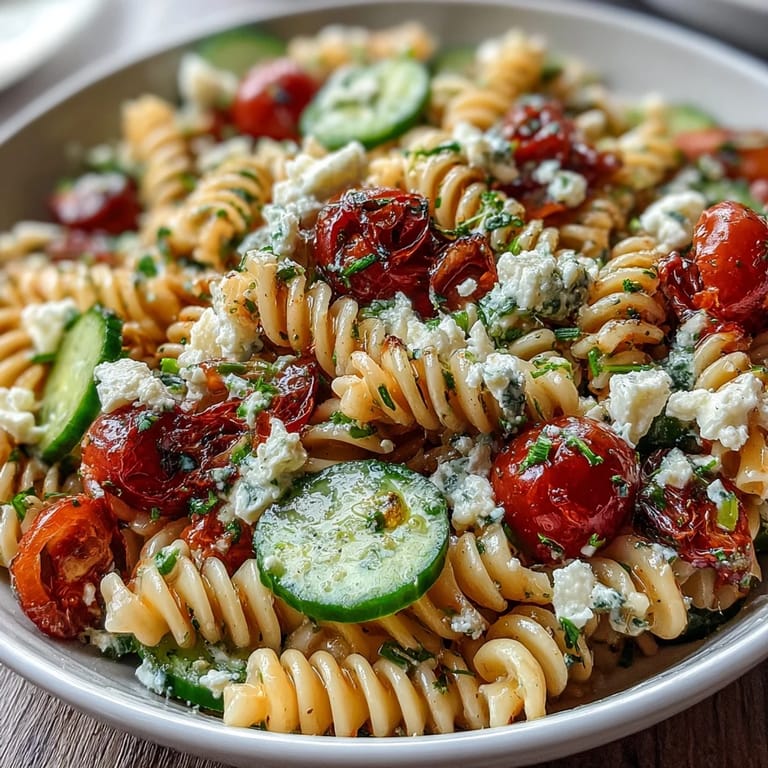
Pin Last summer, my neighbor showed up at a potluck with this pasta salad, and I watched it disappear faster than everything else on the table. When I finally asked for the recipe, she laughed and said it was just pasta, vegetables, and a lemon dressing she'd thrown together that morning. What struck me wasn't the simplicity—it was how the bright, tangy vinaigrette seemed to wake up every single ingredient, making them taste more like themselves. That's when I realized the best dishes often come from restraint rather than complexity.
I made this for my daughter's school lunch one Thursday and found the empty container on the counter with a note asking if I could pack it again tomorrow. The next week, two of her friends' parents reached out asking for the recipe. There's something about a dish that makes people actually want to know how you made it—it felt less like cooking and more like sharing something that mattered.
Ingredients
- Short pasta (fusilli, penne, or farfalle): Around 250 grams works perfectly because these shapes catch and hold the vinaigrette, so each bite tastes intentional rather than like the dressing pooled at the bottom.
- Cucumber: Choose one that's firm and not watery, and dice it right before assembly so it stays crisp and doesn't weep into the salad.
- Cherry tomatoes: Buy them on the vine if you can—they taste brighter and have more personality than the plastic-packaged ones, plus they feel like summer in your mouth.
- Spring onions: The white and light green parts give you bite, while the darker tops add a subtle onion sweetness that most people taste but can't quite name.
- Fresh parsley: Don't skip this; it's not just decoration—it's the green note that makes the whole thing feel alive and fresh.
- Lemon: Use fresh, never bottled juice; the difference is stark, and your palate will thank you immediately.
- Extra virgin olive oil: This isn't the moment to go budget—good oil makes the vinaigrette taste rounded rather than sharp.
- Dijon mustard: It acts like an emulsifier and adds a gentle tang that keeps the dressing from tasting one-dimensional.
- Garlic: Mince it fine so it distributes evenly and doesn't leave you with unexpected sharp bites.
- Honey: A tiny bit rounds out the acidity if your lemons are particularly punchy, but use your taste buds as the final judge.
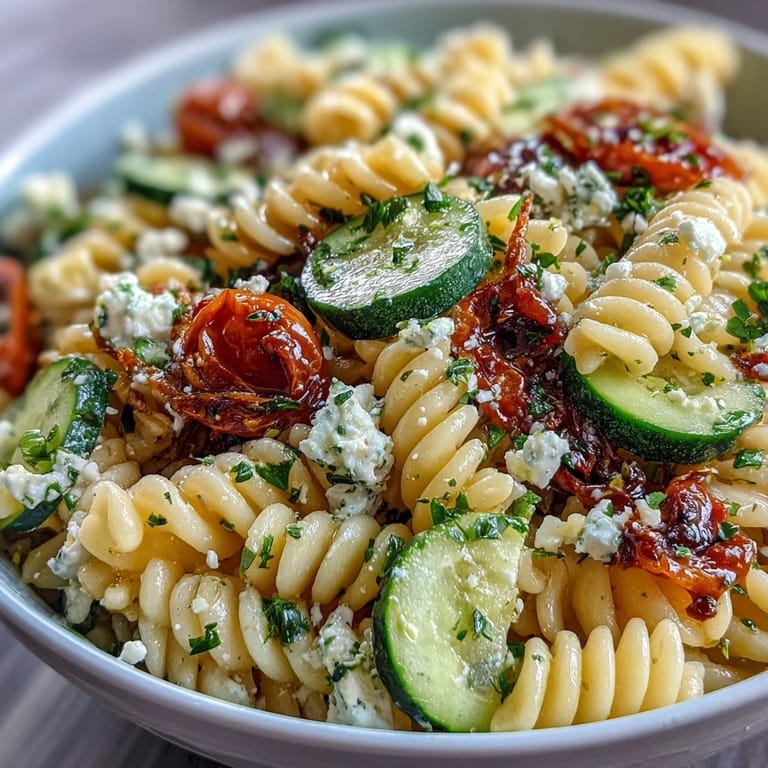
- Feta cheese and pine nuts: Both optional, but the feta adds a salty creaminess and the toasted nuts bring texture that makes it feel almost luxurious.
Tired of Takeout? 🥡
Get 10 meals you can make faster than delivery arrives. Seriously.
One email. No spam. Unsubscribe anytime.
Instructions
- Boil the pasta to just-tender:
- Drop it into salted water and cook until it has a slight firmness when you bite it—not mushy, not hard. The water should taste like the sea, which sounds dramatic but actually matters.
- Cool it down fast:
- Drain it in a colander and rinse under cool water to stop the cooking process immediately. This keeps your pasta from turning into mush as it sits in the vinaigrette.
- Build the vinaigrette:
- Whisk the lemon juice, zest, olive oil, mustard, minced garlic, honey if you're using it, salt, and pepper together until it looks slightly thickened and cohesive. You're looking for the oil and lemon to dance together rather than separate.
- Marry pasta and dressing:
- While the pasta is still slightly warm, toss it with the vinaigrette so it can absorb the flavors. This is key—warm pasta drinks in the dressing better than cold pasta ever could.
- Add the fresh vegetables:
- Gently fold in the cucumber, tomatoes, spring onions, and parsley, being careful not to mash anything. You want each component to stay distinct and recognizable.
- Finish with the extras:
- If you're using feta and pine nuts, fold them in now and taste to make sure the seasoning feels right. A pinch more salt or a squeeze of fresh lemon can make all the difference in the final seconds.
- Let it rest:
- Chill it for at least fifteen minutes so the flavors have time to settle and get to know each other. You can serve it cold or at room temperature, depending on the weather and your mood.
 Pin
Pin My mother once told me that good food doesn't need to shout to get attention, and this salad proved her right. It showed up at a dinner party where I thought it might be overshadowed by fancier dishes, and instead people kept coming back for small spoonfuls, saying things like 'what is it about this that makes me want more?' It taught me that restraint and brightness are their own kind of elegance.
Why Lemon Makes Everything Better
There's something almost magical about how lemon transforms ordinary ingredients into something that feels intentional and considered. The acid doesn't just add tartness—it brings out the natural sweetness in the tomatoes, makes the cucumber taste crisper, and somehow makes you want to keep eating. I've learned that the zest matters as much as the juice; the oils in the peel carry a brightness that juice alone can never achieve.
Timing and Temperature
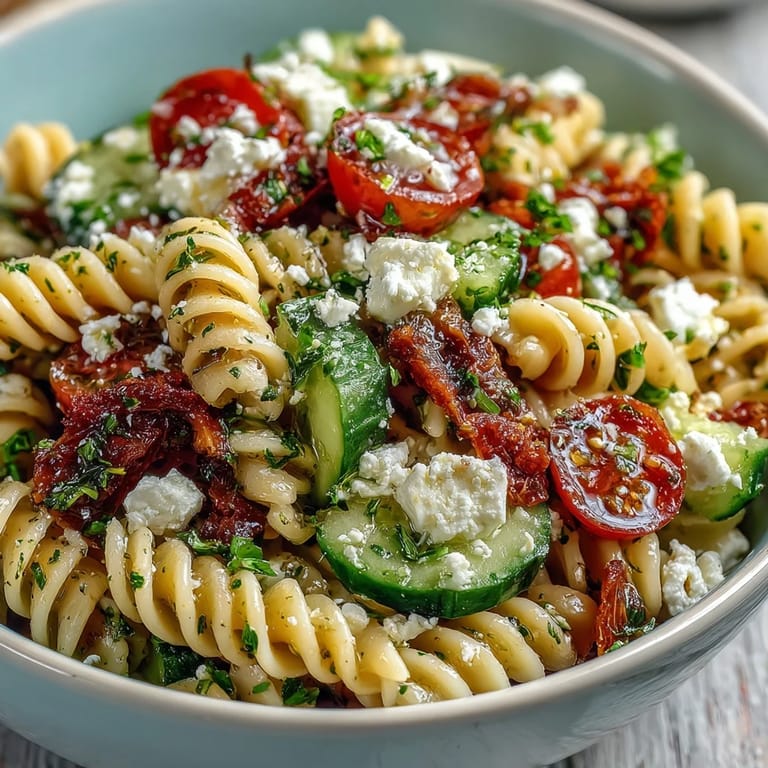
The temperature of this salad changes how it tastes and feels, which is something I discovered by accident when I served it both cold and at room temperature at different gatherings. Cold, it's refreshing and clean, perfect for hot afternoons when you want something that cools you from the inside out. At room temperature, the flavors are more pronounced and rounded, which is lovely when the evening has cooled down.
Making It Your Own
The beauty of this salad is that it's a foundation rather than a rigid formula, so you can layer in whatever speaks to you or whatever you happen to have on hand. I've made it with grilled chicken for protein, stirred in white beans when I wanted something more filling, and swapped the feta for creamy burrata on days when I felt like being indulgent. The core—the pasta and that bright lemon vinaigrette—stays constant, and everything else dances around it.
- Chickpeas, grilled chicken, or crispy tofu all turn this from a side dish into a complete meal.
- Goat cheese, burrata, or even ricotta salata work beautifully if feta doesn't speak to you.
- Fresh herbs like mint, dill, or basil can replace or join the parsley depending on what you're drawn to.
 Pin
Pin This salad has become one of those recipes I return to again and again, not because it's complicated or impressive, but because it's honest—it tastes like what it is, and that's enough. Every time I make it, I'm reminded that the best cooking happens when you stop overthinking and just let good ingredients be themselves.
Recipe Q&A
- → Can I use different pasta shapes?
Yes, short pasta like fusilli, penne, or farfalle works best for holding the vinaigrette and mixing well with the vegetables.
- → How long should I chill the salad before serving?
Chill for at least 15 minutes to let flavors meld, but it can be served at room temperature as well.
- → What can I substitute for feta cheese?
Goat cheese makes a creamy alternative, or omit cheese entirely for a vegan-friendly option.
- → How do I store leftovers?
Keep leftovers covered in the refrigerator for up to 2 days, stirring gently before serving.
- → Can I add protein to this dish?
Yes, cooked chickpeas or grilled chicken make great protein additions without altering the fresh flavor profile.